

Private Italy Destinations, Planned With Local Judgment
From Venice and the Dolomites to Tuscany, Rome, the Amalfi Coast, Puglia, Sicily and Sardinia, Bellavita designs private Italy journeys around timing, geography, atmosphere and the way you actually want to travel.
Italy Is Not One Destination. It Is a Series of Very Different Journeys.
Italy rewards travelers who understand its geography. A journey through Venice and the Dolomites has a different rhythm from a villa stay in Tuscany, a cultural itinerary through Rome, a coastal escape along Amalfi, or a private island journey through Sicily and the Aeolian Islands.
Bellavita helps you choose where to go, when to go, how to move, and how each destination should connect to the next. We look beyond famous names and beautiful photographs, considering seasonality, access, privacy, hotel quality, villa location, transfer times, local atmosphere and the practical details that shape the experience.
Some clients come to Italy for art and history. Others come for coastline, food, family time, mountains, privacy, wine, wellness or a slower sense of place. Our role is to design the right geography around the traveler, not force the traveler into a standard itinerary.
Geography First
We plan by territory, not by checklist. Driving times, airports, ports, mountain passes, ferry routes, heat, crowds and local opening patterns all influence whether an itinerary feels effortless or exhausting.
Seasonality Matters
The best destination in July may not be the best destination in October. We help clients understand when to choose the Dolomites, the lakes, Tuscany, Rome, the Amalfi Coast, Puglia, Sicily or Sardinia based on weather, crowds, atmosphere and purpose.
Privacy and Fit
A beautiful hotel, villa or coastline is not automatically right for every traveler. We consider privacy, room category, access, staff quality, family needs, noise, views, walking distances and the level of support required.
A Coherent Route
Italy becomes easier when the journey has rhythm. We build routes that balance cities with countryside, coast with culture, movement with rest, and iconic places with quieter discoveries.
Private Travel Destinations Across Italy
Below is a regional guide to the Italian destinations Bellavita can incorporate into a private, tailor-made journey. Each region can stand alone or become part of a wider itinerary, depending on your dates, interests, pace and preferred level of support.
Veneto: Venice, Villas & Peaks
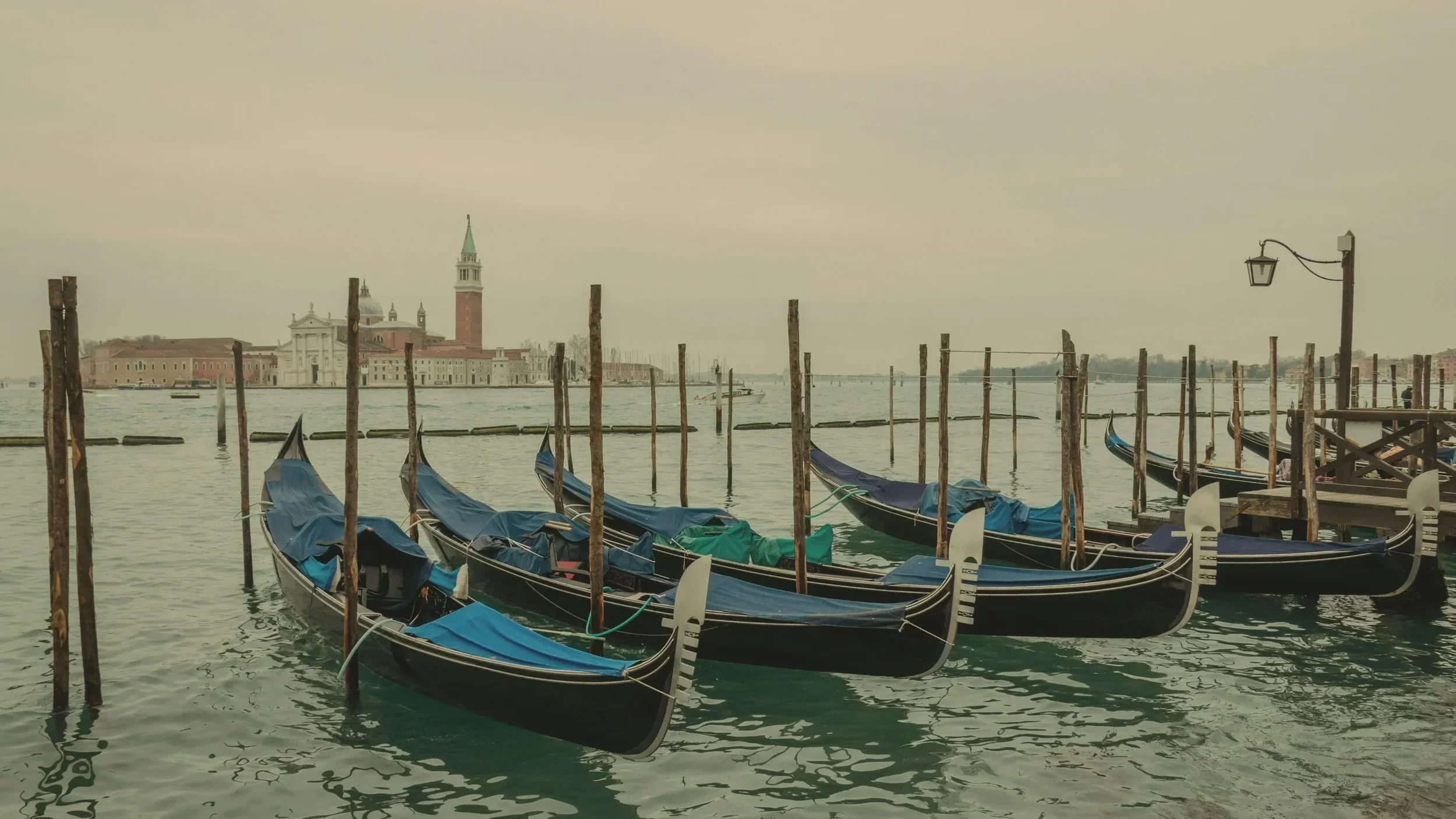
A mesmerizing tapestry woven from Byzantine stone, Palladian symmetry, and soaring alpine peaks, the Veneto is entirely singular. Venice itself, with the sweeping theater of the Grand Canal and the gilded domes of St. Mark’s Basilica reveals its eternal romance only when the daytime crowds retreat.
Yet the sheer scale of the Veneto extends far beyond the aquatic labyrinth. It encompasses the aristocratic, terraced Prosecco hills of Valdobbiadene, the breathtaking Renaissance architectural masterpieces of the Palladian Villas of Vicenza, and the poetic, idyllic streets of Asolo. To the far north, the Veneto claims its magnificent share of the Dolomites, culminating in the ultra-chic alpine basin of Cortina d'Ampezzo, the "Queen of the Dolomites."
The deepest expression of the region adapts effortlessly to every pursuit through flawless orchestration. For the classical aesthete, it is experiencing the immense silence of the Doge’s Palace archives hours before dawn, or gaining entrance to the intensely private, generational glassblowing ateliers of Murano via a sleek water taxi direct from the private aviation terminal. For those drawn to the earth, it is retreating to the mainland to reside within original, lived-in Palladian estates, or securing exclusive alpine lodges in Belluno.
This is an intimate, cinematic choreography tailored flawlessly to the rhythms of an individual soul.
Veneto is one of the strongest regions for a private Italy itinerary because it connects Venice, Palladian villas, Prosecco country, historic towns and the eastern Dolomites within one coherent northern route. Venice gives the journey its cultural weight: the Grand Canal, St. Mark’s Basilica, the Doge’s Palace, quiet sestieri, private boats and timing that matters enormously.
Beyond Venice, the region becomes more layered and less obvious. The Prosecco hills around Valdobbiadene, the Palladian Villas near Vicenza, the elegance of Asolo, Verona’s Roman and operatic heritage, and the alpine setting of Cortina d’Ampezzo all offer different versions of Veneto.
For Bellavita, the value is not only choosing the famous places. It is knowing when Venice feels calm, which mainland bases make sense, how to balance art with countryside, and whether the Dolomites belong in the same route.
The best Veneto journeys feel cinematic without becoming crowded: water, villas, wine hills and mountains arranged with practical rhythm. It can serve couples seeking romance, families needing smooth transfers, or repeat travelers who want Venice connected to wine country and the mountains without wasting days in avoidable movement or crowds. It is also a practical northern gateway, because Venice, villas, Prosecco country and the Dolomites can answer very different travel desires within one intelligent journey.
Veneto: Venice, Villas & Peaks
Friuli-Venezia Giulia: The Eastern Frontier
Situated at the absolute northeastern edge of the Italian blueprint, Friuli-Venezia Giulia is a profound cultural crossroads where the Latin, Slavic, and Germanic worlds collide. Bordered by the jagged peaks of the Julian Alps and plunging into the Adriatic, it remains beautifully, defiantly undiscovered.
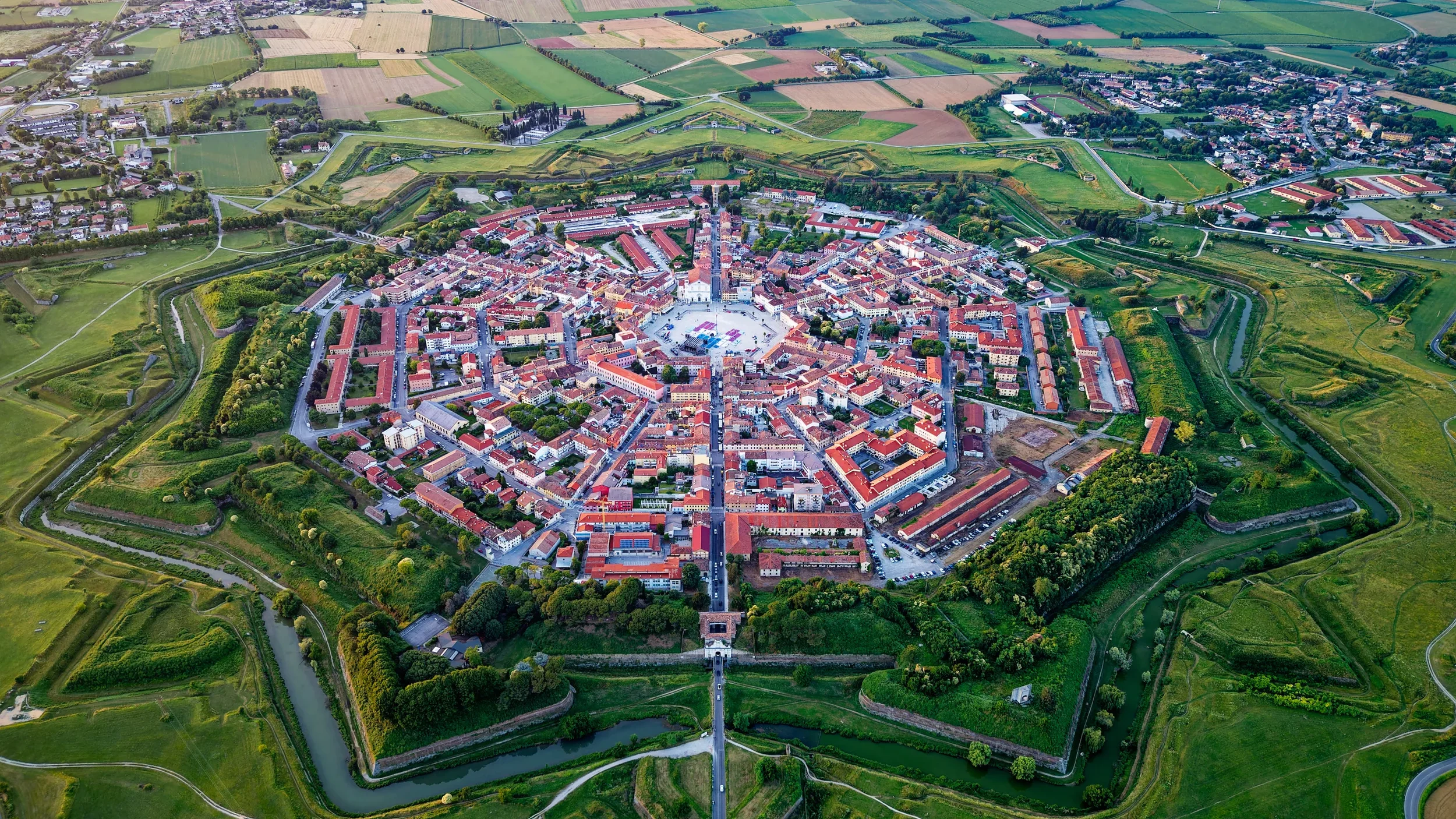
From the grand, Habsburg-era coffeehouses of Trieste stretching along its massive Piazza dell'Unità d'Italia, to the intricate Roman mosaics of Aquileia and the fascinating, nine-pointed Venetian star fort of Palmanova, the region pulses with layered history. Inland, the Lombard legacy lives in medieval Cividale del Friuli, while the breeze-swept hills of San Daniele produce Italy's most refined prosciutto. For the viticultural pioneer, the sun-drenched, terraced hills of the Collio represent the global vanguard of radical, artisanal orange and white winemaking.
The luxury of the borderlands lies in its absolute authenticity and the complete absence of international noise.
The journey is fundamentally an intellectual and sensory immersion: engaging in private, bilateral culinary experiences that map the shifting empires of the Austro-Hungarian past, and securing highly guarded tastings with radical winemakers actively pushing the boundaries of the craft.
Coastal serenity is returned to its purest state on the island of Grado, securing pristine, solitary beachfront isolation bathed in the golden, suspended light of the northern Adriatic, entirely removed from the mechanics of mass tourism.
Friuli-Venezia Giulia: The Eastern Frontier
Friuli-Venezia Giulia is ideal for travelers who want a private Italy journey with more edge, history and authenticity than the classic circuit. Set between the Julian Alps, the Adriatic and the borders of Slovenia and Austria, the region carries Italian, Slavic and Central European influences in a way few destinations can match.
Trieste gives the journey its intellectual atmosphere, with Habsburg cafés, sea-facing architecture and Piazza dell’Unità d’Italia. Aquileia adds Roman and early Christian history; Cividale del Friuli brings Lombard heritage; Palmanova offers one of Italy’s most striking planned fortress towns. Inland, San Daniele and the Collio wine hills create a serious food and wine dimension.
This is not a region for checklist tourism. Its appeal lies in quiet access, thoughtful routing, borderland cuisine, artisan wine, mountain-to-sea contrasts and places that still feel local.
For the right traveler, Friuli is one of Italy’s most rewarding, underused private travel destinations. It can also work as a refined continuation of Venice, the Dolomites or Slovenia, especially for guests who prefer thoughtful food, wine, architecture and conversation over obvious luxury signals. It is especially valuable for second or third Italy trips, private wine journeys, Trieste-focused cultural stays and guests who want discovery without discomfort or isolation. It rewards curiosity, patience and excellent local introductions.
Valle d'Aosta: The Alpine Crossroads
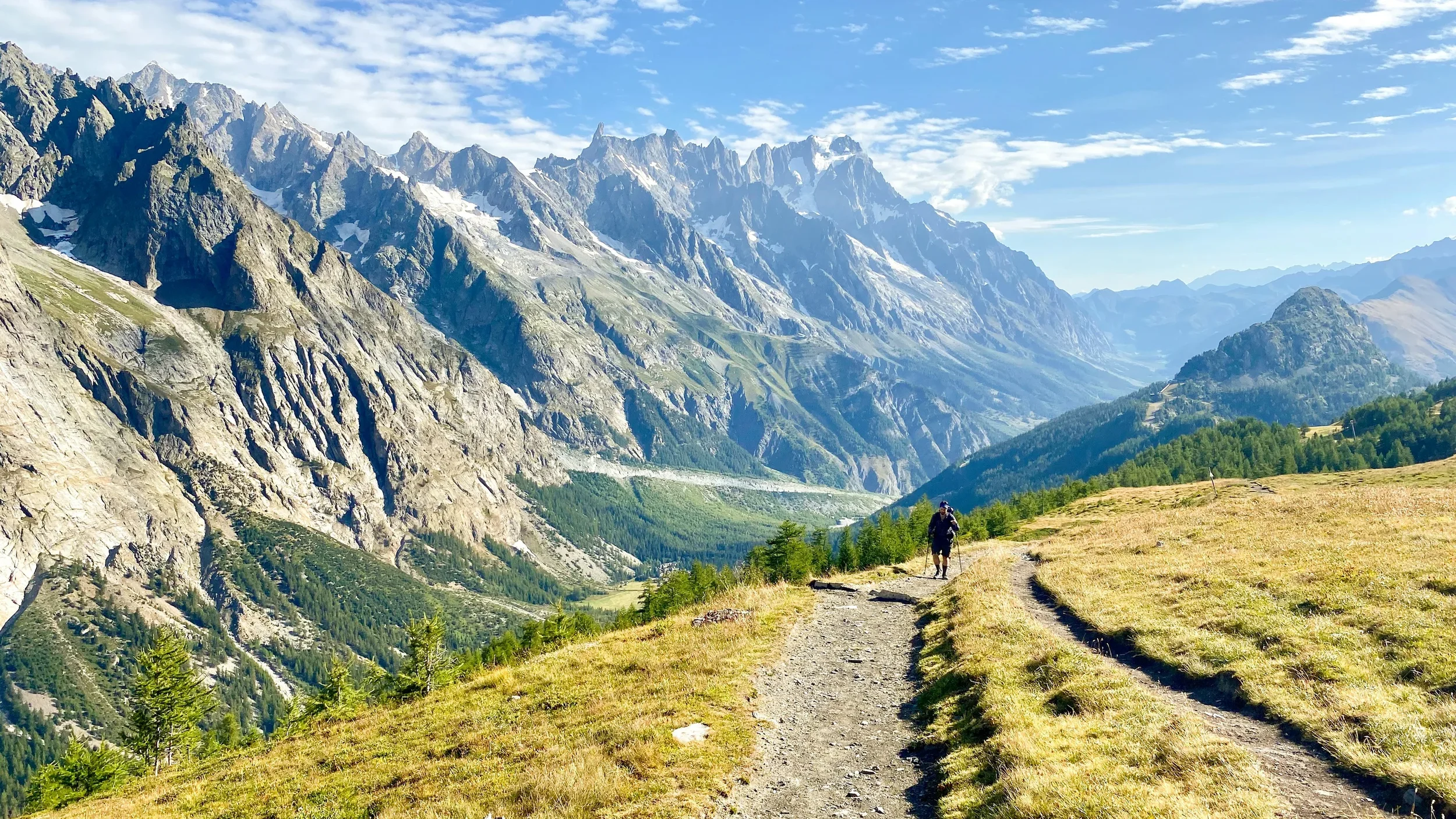
The smallest yet most vertically formidable of the Italian regions, Valle d'Aosta is a cinematic collision of Latin and Celtic worlds. It is dwarfed by the glacial majesty of Mont Blanc (Monte Bianco) towering over the sophisticated enclave of Courmayeur, the sheer rock faces of the Matterhorn (Cervino) dividing Italy and Switzerland, and the protected Alpine ibex within the Gran Paradiso National Park.
This is a landscape of profound topographical drama, where Roman theater ruins lie quietly beneath winter snows in Aosta, and the forbidding towers of medieval Fénis Castle guard the valley floor. The true luxury of this frontier is the sweeping, overwhelming scale of the natural world: a pristine isolation that must be absorbed without distraction.
Surmounting this high-alpine sanctuary requires a mastery of elevation and absolute acoustic freedom. Discarding congested ski routes, the focus shifts to seamless aerial logistics, delivering the quiet thrill of arriving by twin-engine helicopter to the threshold of remote alpine chalets. Ascents are curated for true adrenaline: charting untouched glacial ridges via private heli-skiing, exploring the spectacular Skyway Monte Bianco with expert glaciologists, or securing solitary access to ancient fortresses for closed-door, fire-lit culinary rituals centered around rare, single-vintage Fontina harvests.
Here, the Alps are reclaimed as an intensely historic and personal conquest.
Valle d'Aosta: The Alpine Crossroads
Valle d’Aosta is the right choice when a private Italy itinerary needs alpine scale, clean air, serious mountain culture and a sense of protected distance. Italy’s smallest region sits beneath Mont Blanc, the Matterhorn, Monte Rosa and Gran Paradiso, giving it a vertical drama that feels closer to a high-altitude frontier than a conventional holiday destination.
Courmayeur brings refined mountain hospitality and access to the Skyway Monte Bianco. Aosta adds Roman ruins and a compact historic center, while castles such as Fénis and Issogne give the valleys a strong medieval identity. Gran Paradiso National Park offers wildlife, walking, silence and a slower version of luxury.
The region works best with careful planning: weather, altitude, transfers, ski conditions, hiking levels and hotel choice all matter.
For Bellavita, Valle d’Aosta is about private alpine travel with comfort, realism and precision, not overpacked adventure. It suits skiers, families, wellness travelers and guests who want Italy at its most elemental. It can stand alone for a focused mountain escape or pair well with Piedmont, Lake Como or Milan when the route is built around comfort, weather and transfer logic rather than ambition. Its appeal is concrete: Courmayeur, Mont Blanc, Gran Paradiso and high-mountain hospitality give Italy a clean, vertical and deeply restorative chapter.
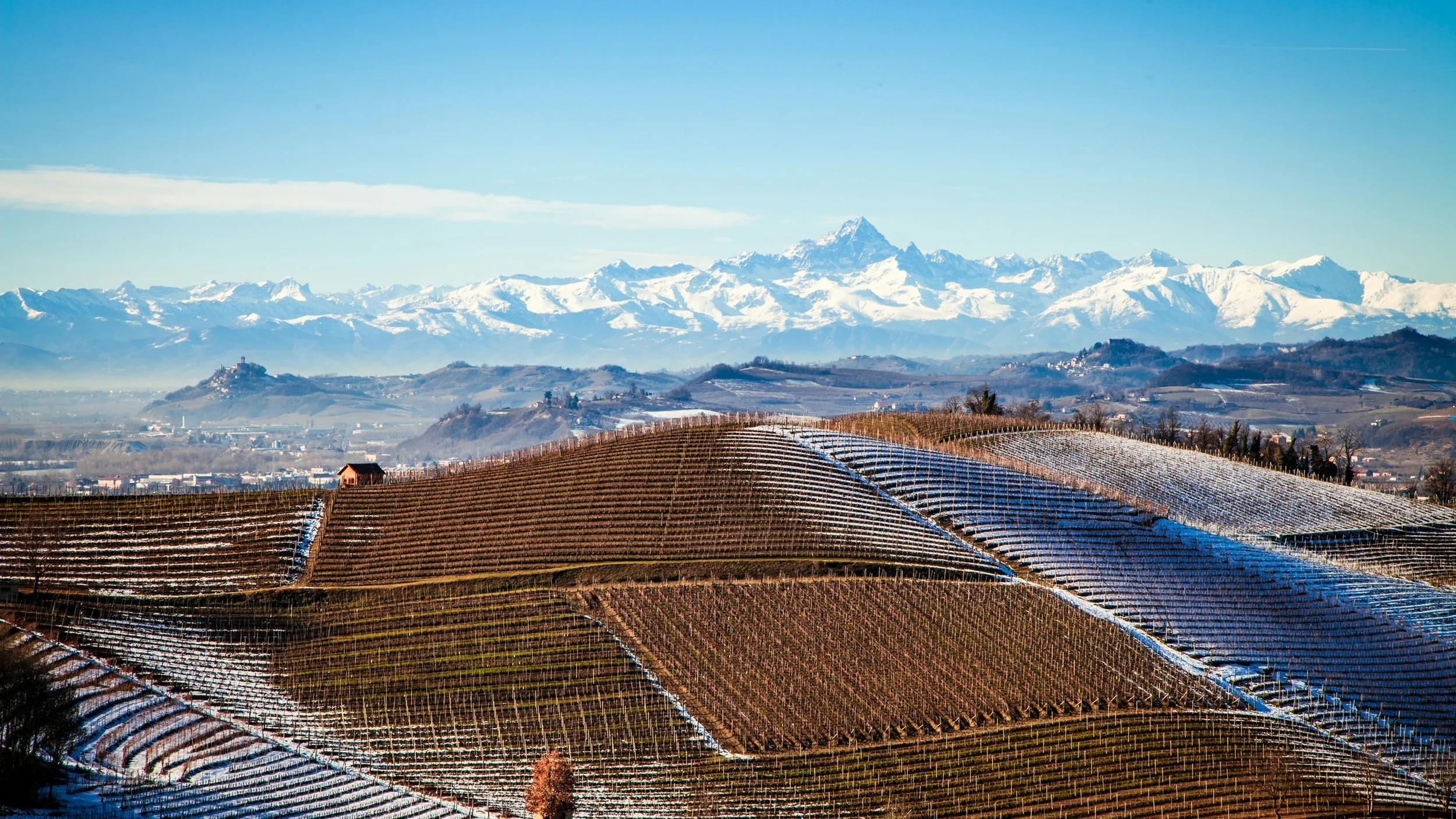
Piedmont: Mist, Wine & Majesty
A realm of aristocratic grace and profound gastronomic devotion, Piedmont is defined by the slow, deliberate march of time.
Blanketed in the autumn mist: ”la nebbia” which lends the Nebbiolo grape its name, the gently rolling, vine-covered hills of the Langhe, Roero, and Monferrato are a UNESCO-protected testament to agricultural perfection. From the sweeping, Savoy-crafted boulevards of Turin to the towering, cliff-clinging sanctuary of the Sacra di San Michele, Piedmont whispers rather than shouts.
To the north, the serene shores of Lake Maggiore and the deeply silent, mystical waters of Lake Orta offer an aristocratic retreat. Yet, the region's true global epicenter lies in the earth, guarding the elusive Alba white truffle and the world’s most fiercely guarded vintages of Barolo and Barbaresco.
Navigating the complex nuances of Piedmont demands profound local standing. It is not merely the act of tasting wine, but the quiet privilege of passing through the heavy doors of subterranean cellars for sensory masterclasses led by the founding viniculture families themselves.
The earthly pursuit of the truffle is completely removed from seasonal spectacle, elevated into a solitary, pre-dawn foray into the oak forests alongside multi-generational trifolai and a single hunting dog. Out on the glacial lakes, serenity is secured via sleek Riva cruising to off-market island estates, executing the art of travel with total precision.
Piedmont: Mist, Wine & Majesty
Piedmont is one of Italy’s strongest regions for travelers who care about wine, food, design, history and understated elegance. It is slower and less obvious than Tuscany, but deeply rewarding when planned well. The Langhe, Roero and Monferrato form the heart of the region’s wine country, with Barolo, Barbaresco, Nebbiolo, white truffle traditions and hill towns shaped by agriculture and patience.
Turin adds a different character: Savoy architecture, grand cafés, museums, chocolate, contemporary energy and a calm urban rhythm. To the north, Lake Maggiore and Lake Orta offer a softer, aristocratic lake atmosphere, often easier to combine with Milan, the Alps or a wider northern Italy route.
Piedmont is not about spectacle. It is about depth: the right cellar, the right season, the right private guide, the right countryside stay, and enough time for the region to open.
For a private Italy itinerary, Piedmont delivers gastronomic luxury without noise. It works especially well in autumn, during truffle and harvest season, but it can also be elegant in spring or winter when clients want quiet cities, cuisine and wine-led travel. It also supports northern routes built around Turin, Alba, Barolo, Barbaresco, Lake Maggiore and Lake Orta, giving the itinerary refinement without obviousness. This gives the journey emotional maturity, not just pure indulgence or scenery.
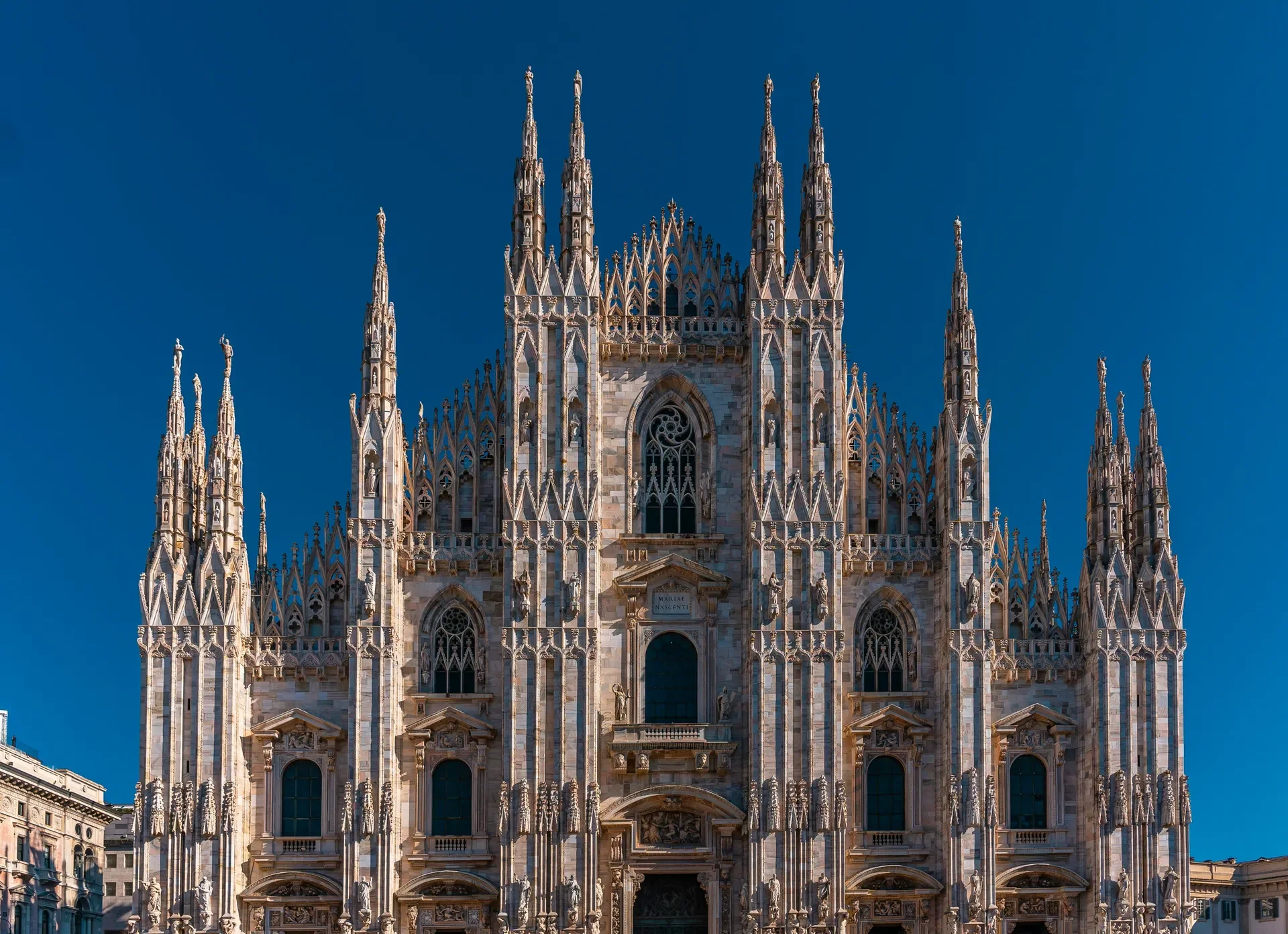
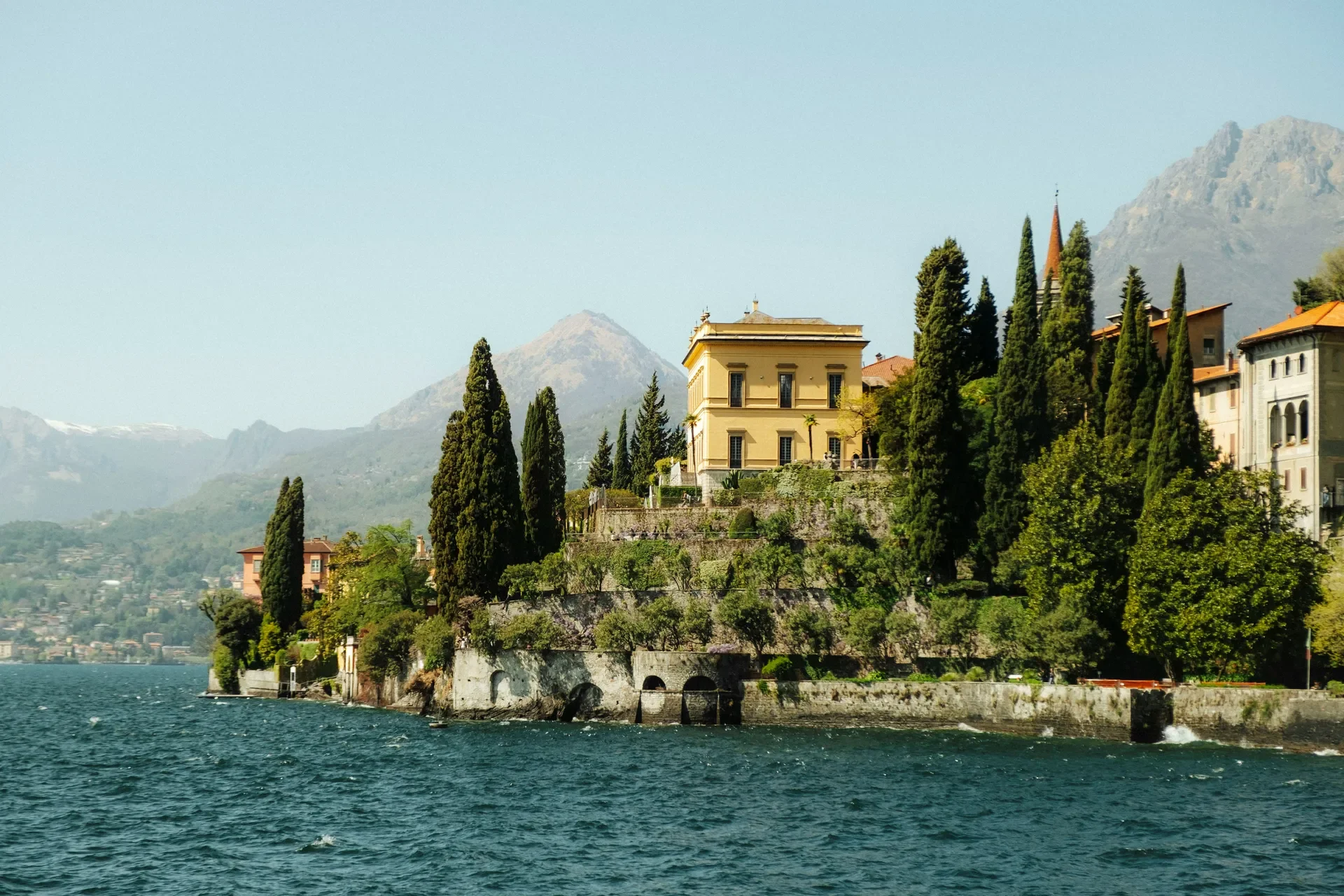
Lombardy: Milanese Verve & Deep Lakes
The vanguard and economic engine of Italy, Lombardy is an extraordinary study in architectural and elemental contrast. It seamlessly marries the relentless, cosmopolitan ambition of high finance and fashion in Milan with the melancholic, glacial serenity of its profound northern waters: Lake Como, Lake Garda, and the deeply romantic Lake Iseo. The region commands absolute cultural supremacy, housing the haunting grace of Leonardo’s Last Supper and the dizzying gothic spires of the Milan Duomo.
Yet, it simultaneously protects the breathtaking botanic gardens of Villa del Balbianello, the ancient ruins of Sirmione extending into Lake Garda, and the rapidly expanding, world-class sparkling wine territory of Franciacorta. It is the sophisticated intersection where fierce ambition dissolves entirely into alpine tranquility.
Engaging this duality demands an operational sophistication equal to the region itself. In the metropolis, the narrative shifts to the quiet arrangement of after-hours, solitary viewings of Renaissance masterworks, and locked-door access to the legendary archives of the Quadrilatero della Moda. Upon reaching the lakes, the true measure of luxury is absolute privacy: procuring historic, fully staffed lakeside villas shielded by maritime perimeter security.
Access to these estates is fluid and unhurried: private, wind-powered sailing expeditions through the alpine corridors, and rapid arrivals by private speedboat directly to the estate's timber water gate.
Lombardy: Milanese Verve & Deep Lakes
Lombardy works beautifully for travelers who want northern Italy to feel polished, efficient and visually dramatic. Milan gives the region its international force: fashion, design, finance, contemporary dining, the Duomo, La Scala, the Brera district and Leonardo’s Last Supper. But the region’s emotional pull often comes from the lakes.
Lake Como offers classic villa atmosphere, private boat days, garden visits and old-world elegance. Lake Garda is broader and more varied, especially when combined with Verona, Venice or the Dolomites. Lake Iseo and Franciacorta add quieter alternatives, with wine country, islands and a softer pace.
The key in Lombardy is fit. A Milan stay can be sharp and urban, while a lake stay depends heavily on hotel position, boat access, road timing and the privacy of the property.
Bellavita uses Lombardy as a precise northern anchor: cultural, stylish and logistically strong, but balanced with enough calm to make the journey feel personal. It is also one of Italy’s best regions for arrival and departure logistics, making it useful for families, design travelers, collectors, honeymooners and clients who want elegance without unnecessary friction. It also connects naturally with Lake Como, Lake Garda, Franciacorta, the Dolomites, Venice and Switzerland, giving the itinerary both elegance and efficiency. Very often, that efficiency is what protects the luxury.
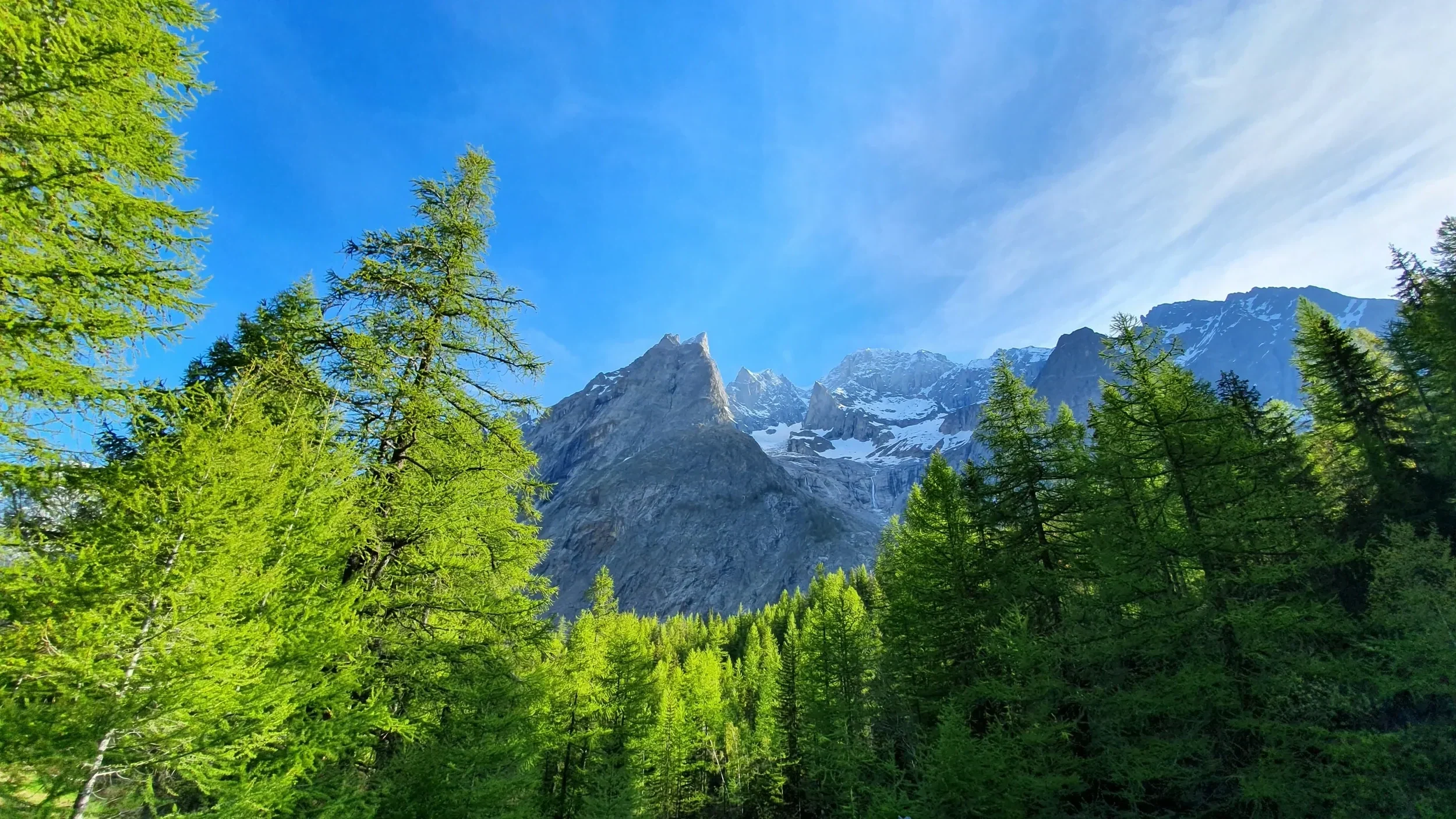
Trentino-Alto Adige: The High Dolomites
A colossal theater of pale, jagged spires piercing the northern sky, the Dolomites offer a sanctuary of elemental scale and resounding silence. Anchored by the fierce, towering peaks of the Tre Cime di Lavaredo, the staggering Rosengarten massif, and the sweeping, emerald valleys of Alta Badia and Val Gardena, this UNESCO World Heritage marvel commands a primal reverence.
The region breathes with a unique, deeply-rooted Ladin culture: an intoxicating fusion of Italian warmth and South Tyrolean alpine rigor, reflecting off the mirror surface of Lake Braies and winding through the historic, vine-draped streets of Bolzano and the pristine, thermal spa town of Merano.
Here, the narrative shifts entirely from observation to immersion, catering to the quiet seeker and the relentless explorer alike. It is the raw exhilaration of charting untracked powder across the Sella Massif, or navigating the thrilling verticality of a protected via ferrata with leading alpinists.
Yet it is also the deep restoration of high-altitude wellness: residing in remote, timber-and-stone alpine chalets equipped with private saunas, and tasting an exquisite, Michelin-recognized South Tyrolean gastronomy as the evening alpenglow ignites the limestone peaks.
Trentino-Alto Adige: The High Dolomites
Trentino-Alto Adige is where Italy becomes alpine, vertical and quietly restorative. The Dolomites dominate the experience: pale limestone towers, high pastures, rifugi, ski slopes, hiking routes, via ferrata, wellness hotels and valleys where Italian, Ladin and South Tyrolean identities meet.
Alta Badia, Val Gardena, Cortina, the Tre Cime di Lavaredo, Lake Braies, Merano and Bolzano each create a different mountain rhythm. Some travelers come for skiing and winter landscapes; others come in summer for clean air, walking, cycling, family activity and relief from coastal heat.
The region rewards planning because weather, elevation, driving times and seasonality change the journey completely. A hotel that is perfect for skiing may not be ideal for summer hiking; a scenic route may become tiring if the pace is wrong.
For Bellavita, this is private Dolomites travel built around comfort, mountain realism and the right balance of movement, wellness and silence. It is a strong choice for summer, winter and shoulder-season wellness, provided the route respects altitude, hotel style and the different identities of each valley. It also gives northern Italy a restorative chapter that feels active, scenic and grounded rather than decorative.
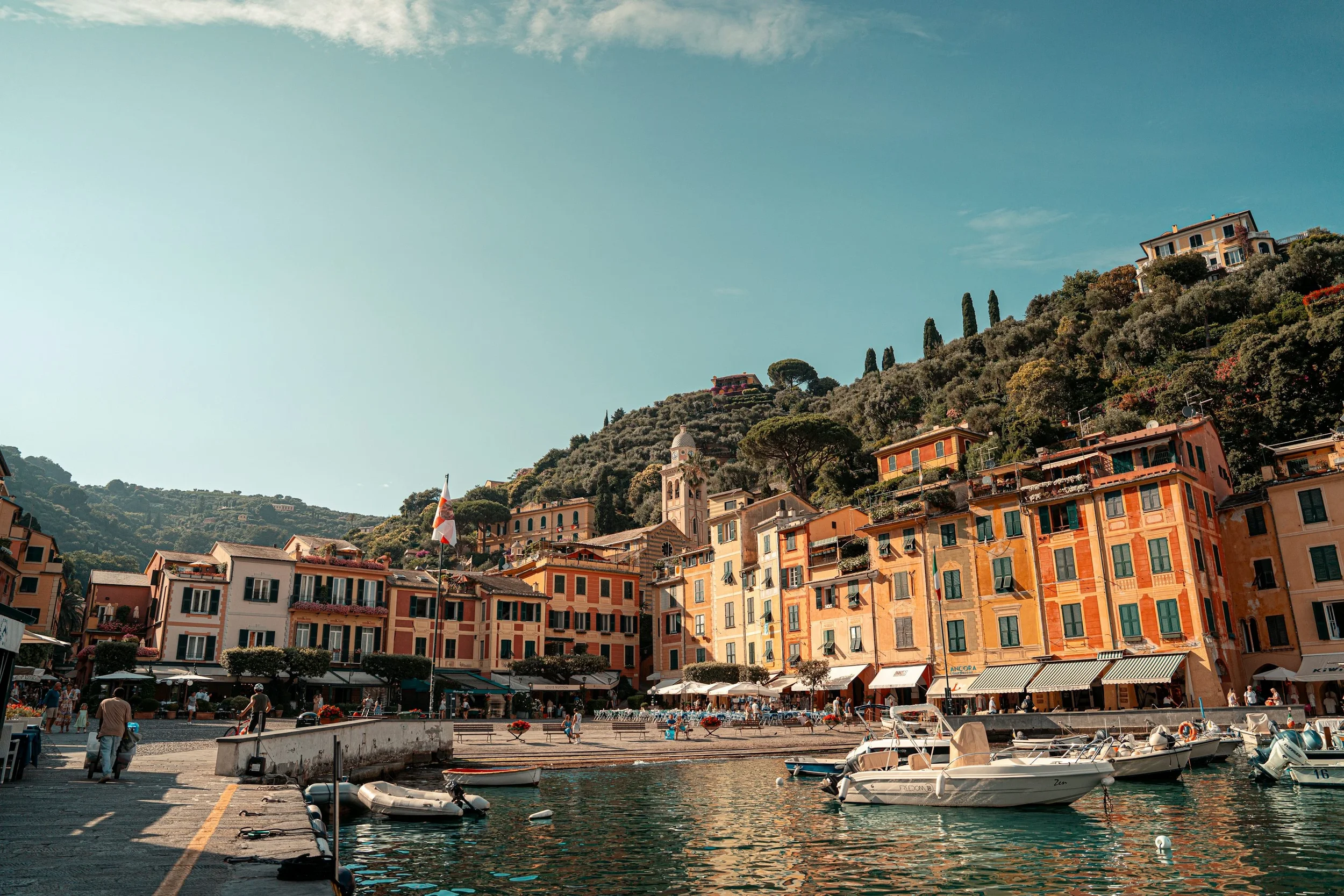
Liguria: The Vertical Riviera
A brilliant, crescent-shaped fracture crushed between the Maritime Alps and the deep blue of the Mediterranean, Liguria is a landscape of impossible juxtaposition. Pastel-hued fishing villages and Genoese watchtowers cling fiercely to sheer cliffs, while vertiginous, terraced vineyards defy gravity above the crashing surf.
While the iconic, sunlit silhouettes of Portofino and the five celebrated villages of the Cinque Terre draw unprecedented global admiration, the authentic soul of the Italian Riviera survives in its hidden maritime enclave: the literary, solitary shores of Portovenere and the Gulf of Poets, the awe-inspiring Renaissance courts of the Palazzi dei Rolli in Genoa, and the submerged silences of the protected Portofino Marine Reserve.
To unlock the Riviera’s staggering coastal drama, one must entirely abandon the congested terrestrial roads. The authentic Ligurian experience is orchestrated exclusively by water, utilizing sleek luxury tenders cutting through the shimmering Gulf of Genoa. This approach commands unbroken serenity: docking at the solitary, inaccessible San Fruttuoso Abbey before the public ferries arrive, anchoring directly over the Christ of the Abyss, and securing heavily protected, cliffside estates hidden within the untouched coves of the coast.
This transforms the claustrophobia of the shoreline into the breathtaking privilege of gazing back at the vibrant cliffs from the boundless expanse of the sea.
Liguria: The Vertical Riviera
Liguria is one of Italy’s most beautiful coastal regions, but also one of the easiest to plan badly. The Italian Riviera is narrow, vertical and fragile: cliffs, fishing villages, terraced vineyards, old maritime towns and roads that can feel slow in high season. That is why rhythm matters.
Portofino, Santa Margherita Ligure, Camogli, Cinque Terre, Portovenere and the Gulf of Poets can all be exceptional, but they require the right timing and, often, the right access by water. Genoa adds a serious cultural layer, with the Palazzi dei Rolli, historic lanes, museums and a powerful seafaring identity.
The best Ligurian journey avoids treating the coast as a postcard checklist. It uses private boats, careful bases, early starts, slower lunches and quieter corners to make the Riviera feel open rather than compressed.
Bellavita designs Liguria around coastal privacy, sea access, food, walking and the practical realities of a vertical shoreline. It suits travelers who want boating, seafood, gardens, villages and views, but only if the itinerary protects time from traffic, ferries, crowds and overambitious coastal hopping. It is strongest when Portofino, Cinque Terre, Genoa, Portovenere and hidden coves are connected with restraint, not rushed in a single crowded sequence. Done well, the coast feels generous instead of crowded.
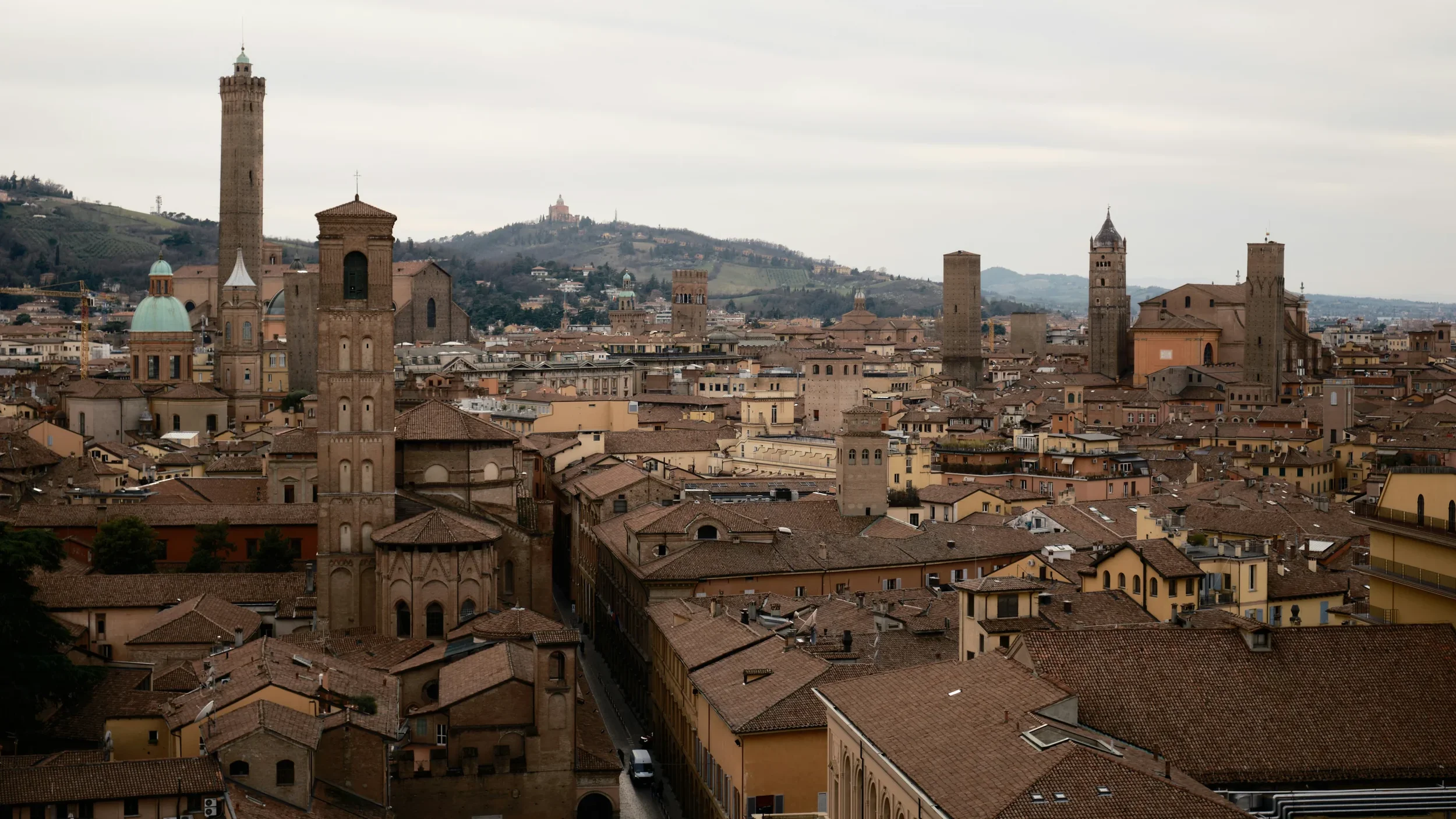
Emilia-Romagna: Gastronomy & Engine
The undisputed culinary and automotive heartbeat of the Republic, Emilia-Romagna is a sun-drenched, fertile plain spanning from the Apennines to the Adriatic. It is a region of fierce, centuries-old devotions: the medieval, terra-cotta porticoes of Bologna, the breathtaking Renaissance palaces of Ferrara, the astonishing Byzantine starlight mosaics of Ravenna, and the roaring, cutting-edge precision of the Motor Valley within Maranello and Sant'Agata Bolognese.
Yet, it is the culinary dedication that borders on the religious: a landscape where the aging of Parmigiano-Reggiano, the curing of Prosciutto di Parma in the shadow of the romantic Torrechiara Castle, and the slow, decadal maturation of Balsamic vinegar are treated as sacred arts.
To merely visit this region is to scratch the surface; to truly absorb it requires keys to the innermost secular sanctums. This is the rarefied privilege of securing closed-track driving clearances in the Motor Valley for unrestrained exploration of hyper-car engineering.
Gastronomical immersion leaps from the restaurant to the source: we orchestrate exclusive, private entry into the ancient, family-owned Acetaie of Modena for meditative tastings of century-old vinegars, holding the undivided attention of the region’s foremost culinary masters.
The experience is an insider’s flawless passage into Italy’s most fiercely guarded traditions.
Emilia-Romagna: Gastronomy & Engine
Emilia-Romagna is one of the most satisfying regions in Italy for travelers who want food, craftsmanship, cars, cities and cultural depth in one route. It stretches from the Apennines to the Adriatic and carries a grounded, generous confidence that makes it feel deeply Italian without needing to perform.
Bologna offers porticoes, university life, markets and serious cooking. Modena and Parma bring Parmigiano Reggiano, traditional balsamic vinegar, prosciutto, opera history and some of the most respected restaurants in the country. Ravenna adds Byzantine mosaics of extraordinary beauty, while Ferrara gives Renaissance architecture and a quieter urban rhythm.
The Motor Valley around Maranello, Modena and Sant’Agata Bolognese creates another dimension for collectors, drivers and design-minded travelers.
For Bellavita, Emilia-Romagna is not only a culinary stop. It is a private Italy destination where logistics, tastings, workshops, museums and countryside stays can become a full, intelligent journey. It works especially well for families, collectors, culinary travelers and guests who want privileged but believable access to producers, chefs, artisans, cars and cities without theatrical excess. The result can be generous, tactile and serious: Bologna, Modena, Parma, Ravenna and the Motor Valley all serving a route with substance. It is a region where access should feel earned, not staged.
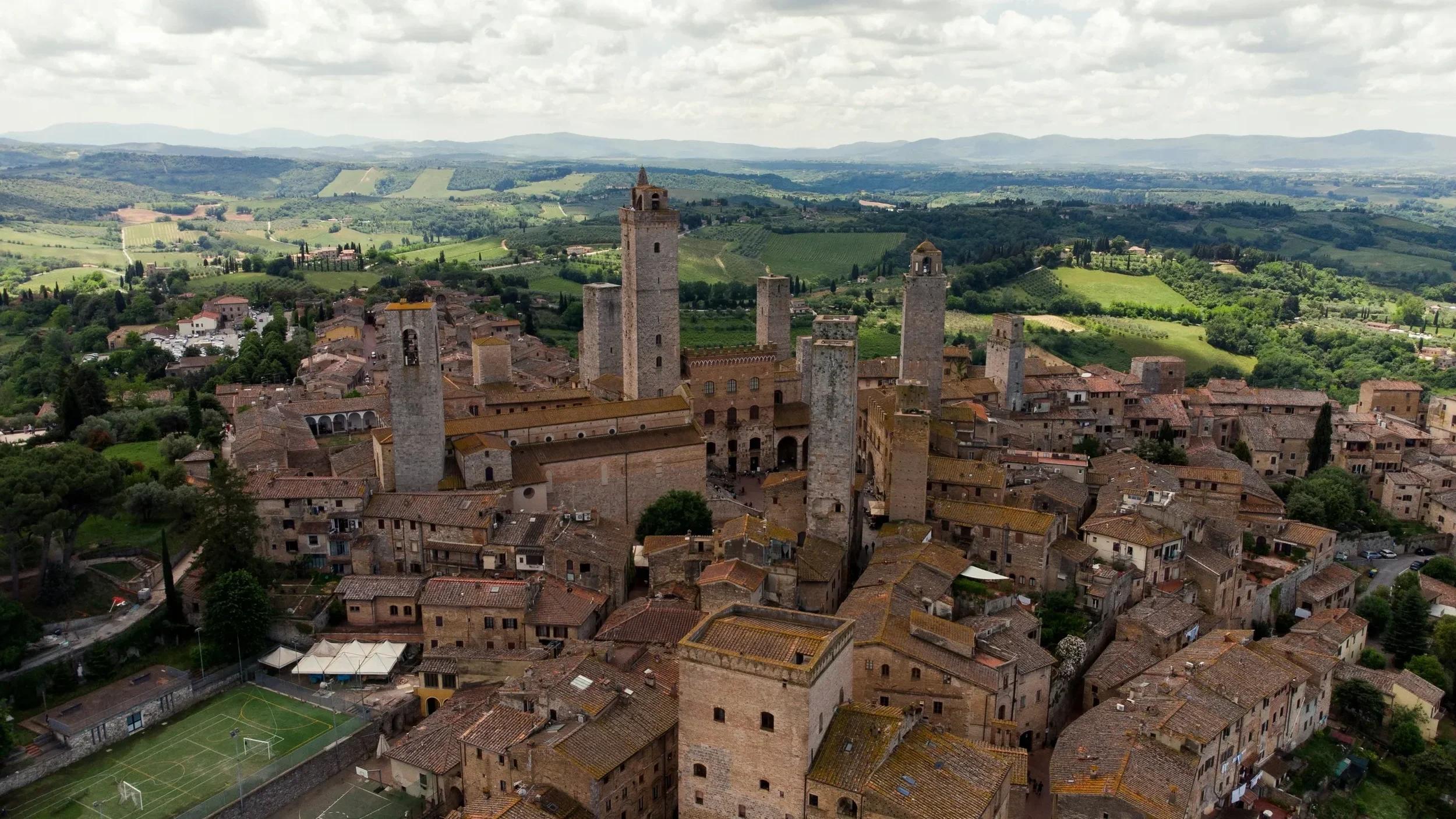
Tuscany: The Renaissance Shires
Tuscany is the very cradle of the Renaissance, an expansive canvas where human intellect and agrarian perfection are inextricably entwined. The region's visual poetry is unmatched: the iconic, cypress-lined ridges of the Val d'Orcia, the sweeping Renaissance urbanism of Pienza, the sprawling vineyards of Chianti, and the untamed, dramatic coastline of the Maremma.
Anchored by the architectural majesty of Florence and Siena, and punctuated by the towering, medieval skyscraper-city of San Gimignano and the massive walls of Lucca, it is a region that has seduced masters, poets, and vintners for centuries. It remains Italy's most intoxicating achievement.
Experiencing true Tuscan nobility means entirely bypassing the crowded corridors of standard itineraries to engage with the region's living heritage on an intensely private scale. It is securing solitary, curator-led encounters within the silent halls of the Uffizi Gallery, standing alone beneath the genius of Botticelli.
For the epicurean, the journey leads deep into the countryside: taking up residence in fully staffed, 1,000-year-old aristocratic estates, hunting for elusive white truffles in the autumn mist, and unlocking the most fiercely guarded, closed-door cellars of Brunello di Montalcino.
This is Tuscany returned to its original elegance: wild, cultured, and breathtakingly vast.
Tuscany: The Renaissance Shires
Tuscany remains essential because it can deliver art, countryside, wine, villas, coastline and historic towns with unusual coherence. The challenge is that it is famous for a reason, so the quality of the journey depends on where you stay, when you move and how much space you protect.
Florence and Siena provide the cultural anchor, with Renaissance art, architecture, churches, palaces and museums that deserve proper time. The Val d’Orcia, Chianti, Montalcino, Pienza, San Gimignano, Lucca and the Maremma each offer different versions of Tuscan landscape and pace.
A strong Tuscany itinerary should not feel like a parade of hill towns. It needs a clear base, good driving logic, trusted guides, realistic dining, and time to enjoy the villa or hotel instead of constantly transferring.
For Bellavita, Tuscany is strongest when it becomes private countryside travel with cultural depth, not a generic luxury postcard. It can be romantic, family-friendly or deeply cultural, but only when the plan respects distances, heat, museum timing, villa location and the difference between famous and truly suitable. This is how Florence, Siena, Chianti, Montalcino, Lucca and the Val d’Orcia become a coherent journey rather than familiar names.
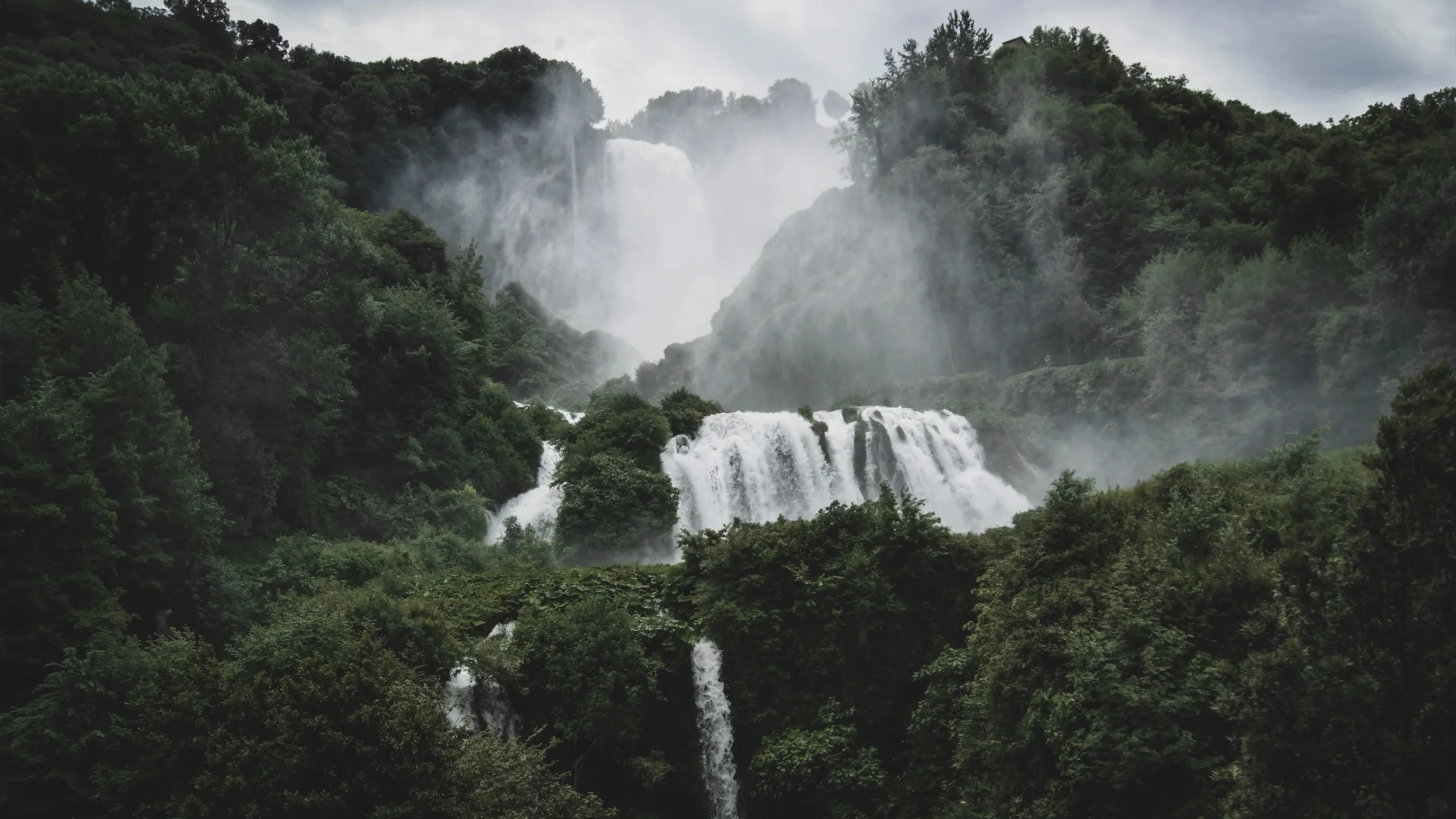
Umbria: The Green Heart
Known as the mystical, archaic heart of Italy, Umbria remains landlocked, deeply forested, and profoundly silent. Untouched by the heavy international footprint of its neighbors, it is a landscape of sweeping valleys, medieval citadels clinging tenaciously to hilltops, and a deeply felt spiritual gravitas.
Anchored by the monumental grace of the Basilica of San Francesco in Assisi, the dramatic tufa plateau of Orvieto, and the imposing arches of Spoleto and Gubbio, it is a region that demands hushed reverence.
The culinary identity is earthy, centered squarely around the spectacular, blooming high plain of Castelluccio di Norcia, its elusive black truffles, and the tannic, powerful Sagrantino wines of Montefalco.
The true luxury of Umbria is the profound reclamation of absolute stillness. We bypass bustling centers by orchestrating the buyout of meticulously restored, 1,000-year-old fortresses and monastic estates, transforming the dense Umbrian oak forest into an impenetrable, private sanctuary.
The region's artisan soul is unlocked through bespoke access: securing private appointments within the visionary cashmere workshops of Solomeo. Evenings are marked not by noise, but by exclusivity: acoustic performances arranged specifically for you in ancient, subterranean Roman cisterns, offering an auditory immersion into the foundational soul of Italy.
Umbria: The Green Heart
Umbria is the right region for travelers who want central Italy with more silence, privacy and spiritual weight than the better-known routes. Landlocked, green and hilltop-driven, it offers medieval towns, monastic landscapes, forests, vineyards, olive groves and a slower sense of place.
Assisi gives Umbria its most important spiritual anchor through the Basilica of San Francesco. Orvieto, Spoleto, Gubbio, Perugia, Spello and Norcia add layers of Etruscan, Roman, medieval and religious history. The countryside brings black truffles, Sagrantino di Montefalco, olive oil, lentils from Castelluccio and a food culture that is earthy rather than polished.
Umbria works beautifully for villas, retreats, family gatherings and travelers who want depth without heavy crowds. It also combines well with Rome or Tuscany when the route is planned carefully.
Bellavita treats Umbria as a private Italy destination for quiet luxury, meaningful access and a more contemplative rhythm. It suits writers, families, retreats, repeat travelers and anyone who wants the emotional center of Italy without the pressure, polish or visibility of the most famous regions. Assisi, Orvieto, Montefalco and the Umbrian countryside then become a coherent private stay, not simply a quieter substitute for Tuscany. That distinction matters for both privacy and emotional tone.
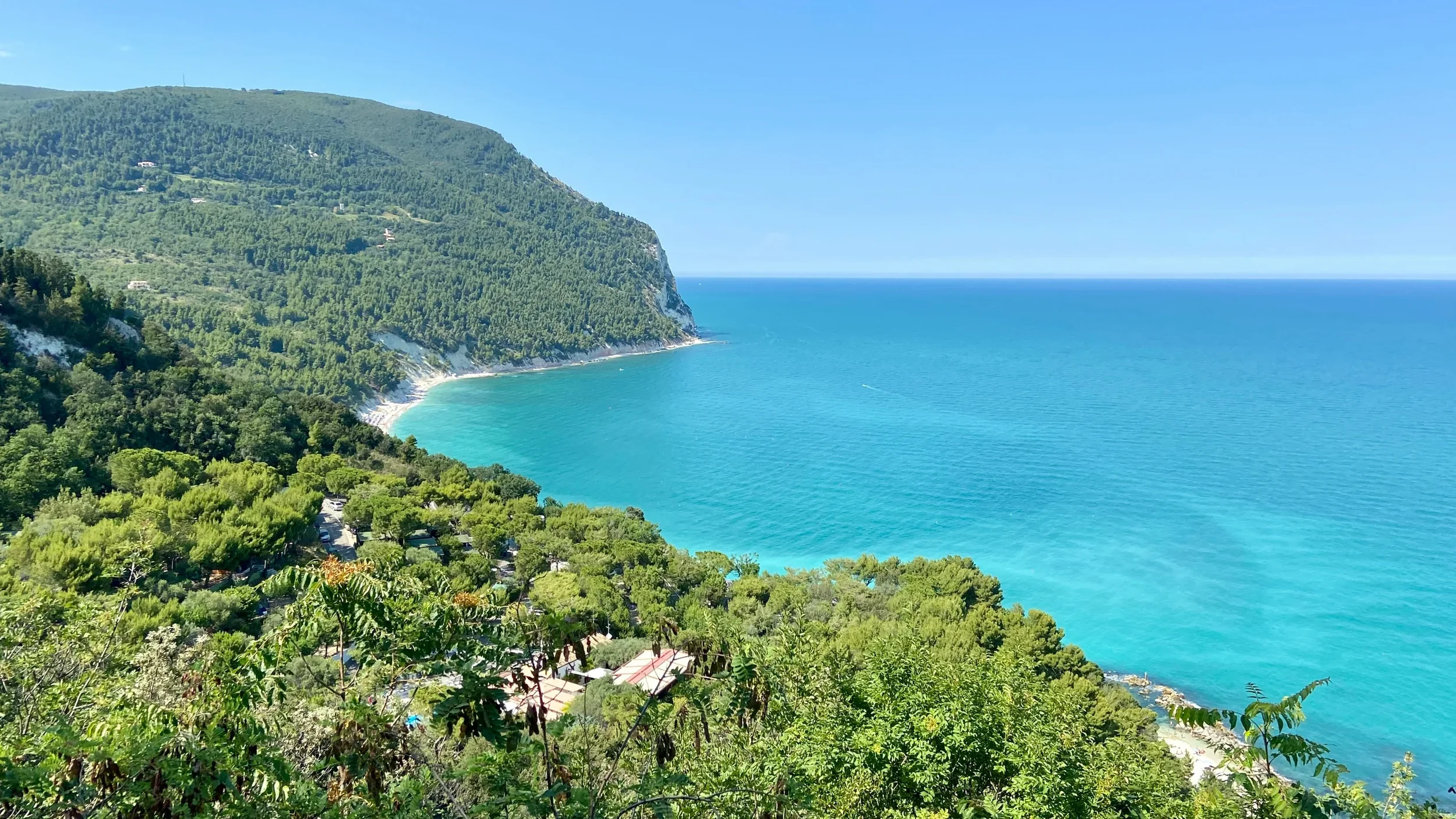
Marche: The Adriatic Renaissance
Descending gently from the snow-capped Apennines to the dramatic white cliffs of the Adriatic Sea, the Marche is Italy’s brilliantly undiscovered jewel. It possesses the rolling, olive-studded majesty of Tuscany, yet remains completely insulated from the global gaze.
This is the soaring birthplace of Raphael, where the breathtaking Ducal Palace of Urbino stands as a towering monument to Renaissance mathematical perfection. Further south, the travertine majesty of Ascoli Piceno and the holy pilgrimage sanctuary of Loreto anchor the region in stone and spirit. The region's topographical drama is matched by its pristine coastline’s most notably the sheer, limestone precipices of the Conero Riviera, and the cavernous, echoing subterranean marvels of the Frasassi Caves.
Experiencing the Marche is to engage with Italy exactly as the Renaissance dukes intended: without the interference of the masses.
The turquoise maritime expanse is conquered by chartering fast, luxurious yachts along the towering Conero cliffs, anchoring in silent coves totally inaccessible by land. Culturally, the narrative is rewritten: we secure solitary, curator-led access to the Ducal Palace, allowing the architectural genius to be absorbed in total, reverberating silence.
It is a region where geographical coastal beauty and extraordinary historical access are delivered with an unmatched level of pristine exclusivity.
Marche: The Adriatic Renaissance
Le Marche is one of the strongest choices for travelers who want Italy to feel cultured, coastal and still genuinely underused. Between the Apennines and the Adriatic, the region offers hill towns, Renaissance art, beaches, caves, opera, wine and countryside without the same international pressure as Tuscany or the Amalfi Coast.
Urbino gives the region its highest cultural anchor, with the Ducal Palace and Raphael’s birthplace. Ascoli Piceno, Loreto, Macerata and Fermo add elegant townscapes and serious history. Along the coast, the Conero Riviera offers white cliffs, clear water and coves that feel more intimate than many famous seaside destinations. Inland, the Frasassi Caves and Sibillini Mountains bring scale and natural drama.
Le Marche is not for travelers who need constant glamour. It is for those who value authenticity, space and discovery.
Bellavita uses the region for private Italy itineraries that combine culture, coastline and countryside with uncommon balance. It can pair naturally with Umbria, Tuscany, Emilia-Romagna or the Adriatic coast, especially for travelers who prefer strong content, local atmosphere and fewer predictable luxury clichés. Urbino, Conero, Ascoli Piceno, Loreto and the Sibillini Mountains give the journey real substance without relying on familiar Italian clichés. This is quiet depth, not performative discovery.
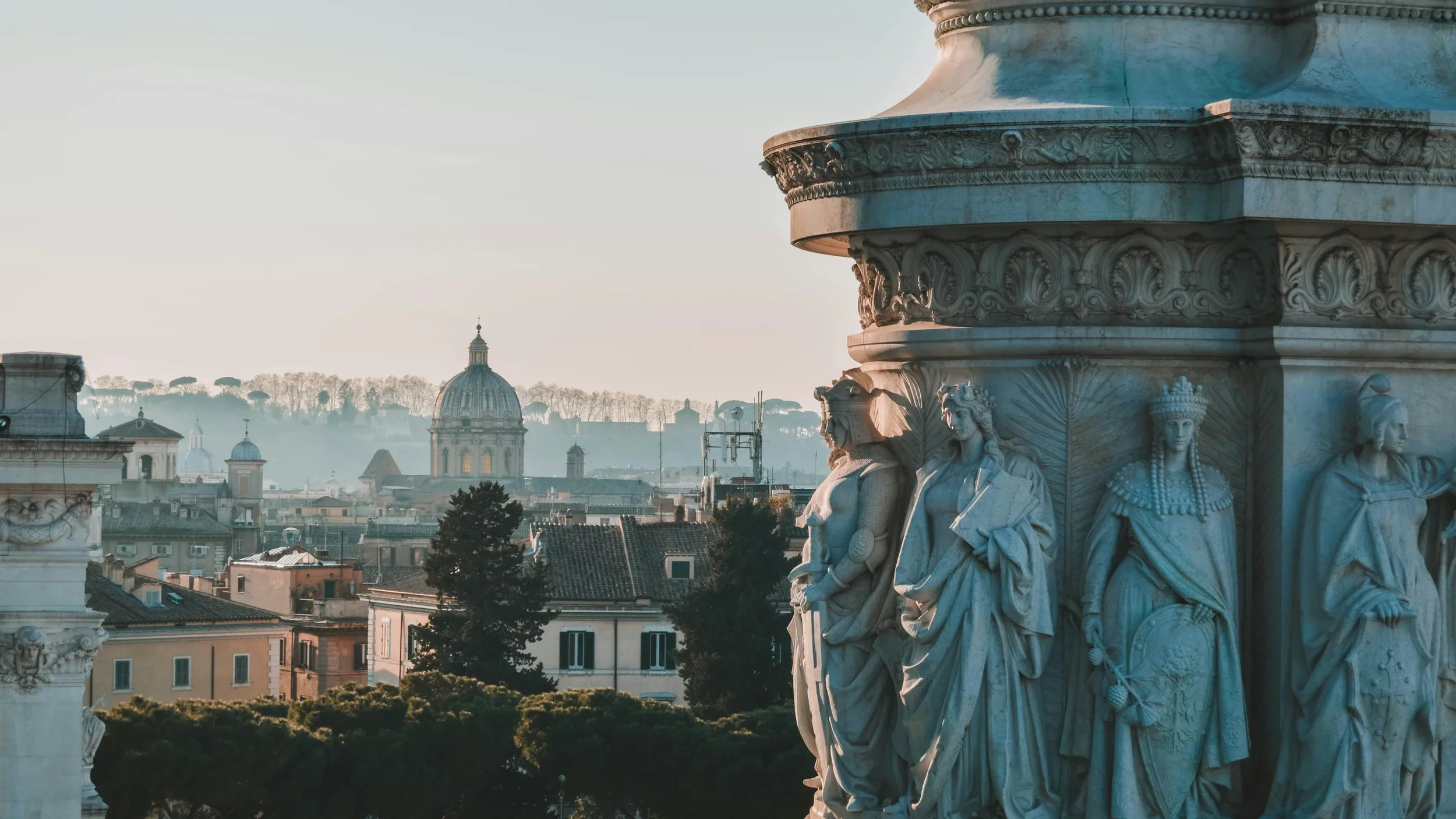
Lazio: The Epicenter & The Wilds
The staggering gravity of the Eternal City radiates outward, defining the entirety of Lazio: a landscape shaped by violent volcanic geology, Imperial ambition, and papal supremacy. While the monumental weight of Rome, the Colosseum, the ancient stones of the Pantheon, and the sovereign density of the Vatican commands global adoration, the region's true mystique lies far beyond the Aurelian walls.
It is the tragic, eroding beauty of the hilltop hamlet Civita di Bagnoregio, the astonishing Renaissance water organs of Tivoli (Villa d'Este), the papal summer palace at Castel Gandolfo, the whitewashed coastal enclave of Sperlonga, and the deeply silent, sapphire waters of volcanic Lake Bolsena.
To master Lazio is to navigate the chaotic epicenter of global history with diplomatic-level execution. Within the metropolis, we orchestrate pre-dawn, highly guarded entries into the Vatican Museums with Vatican-credentialed scholars, securing the Sistine Chapel entirely before the public gates unlock.
As the urban noise heightens, the escape is swift: we procure massive, aristocratic off-market villas dotting the northern volcanic lakes, complete with in-house culinary teams. This dramatically transforms the intensity of the Roman experience into a perfectly measured, deeply private progression of historical awe.
Lazio: The Epicenter & The Wilds
Lazio is far more than Rome, but Rome gives the region its undeniable gravity. For many private Italy journeys, the Eternal City is the cultural anchor: the Colosseum, Roman Forum, Pantheon, Vatican Museums, Sistine Chapel, Borghese Gallery, layered neighborhoods and restaurants that reward careful timing.
Outside the capital, Lazio becomes quieter and more surprising. Tivoli offers Villa d’Este and Hadrian’s Villa; Castelli Romani brings hill towns, villas and lake views; Civita di Bagnoregio, Lake Bolsena, Sperlonga, Tarquinia and the Etruscan sites add depth beyond the obvious route.
The risk in Lazio is overloading Rome and leaving no space to absorb it. A strong itinerary needs realistic pacing, excellent guiding, smart transfers, and recovery time between major sites.
For Bellavita, Lazio is about private Rome travel connected to countryside, coast and history, so the experience feels powerful without becoming exhausting. It can also work beautifully for families, first-time visitors and intellectually curious travelers when Rome is given structure and the surrounding region provides air, space and perspective. Rome, Vatican City, Tivoli, Lake Bolsena and the coast can then support one another instead of competing for energy.
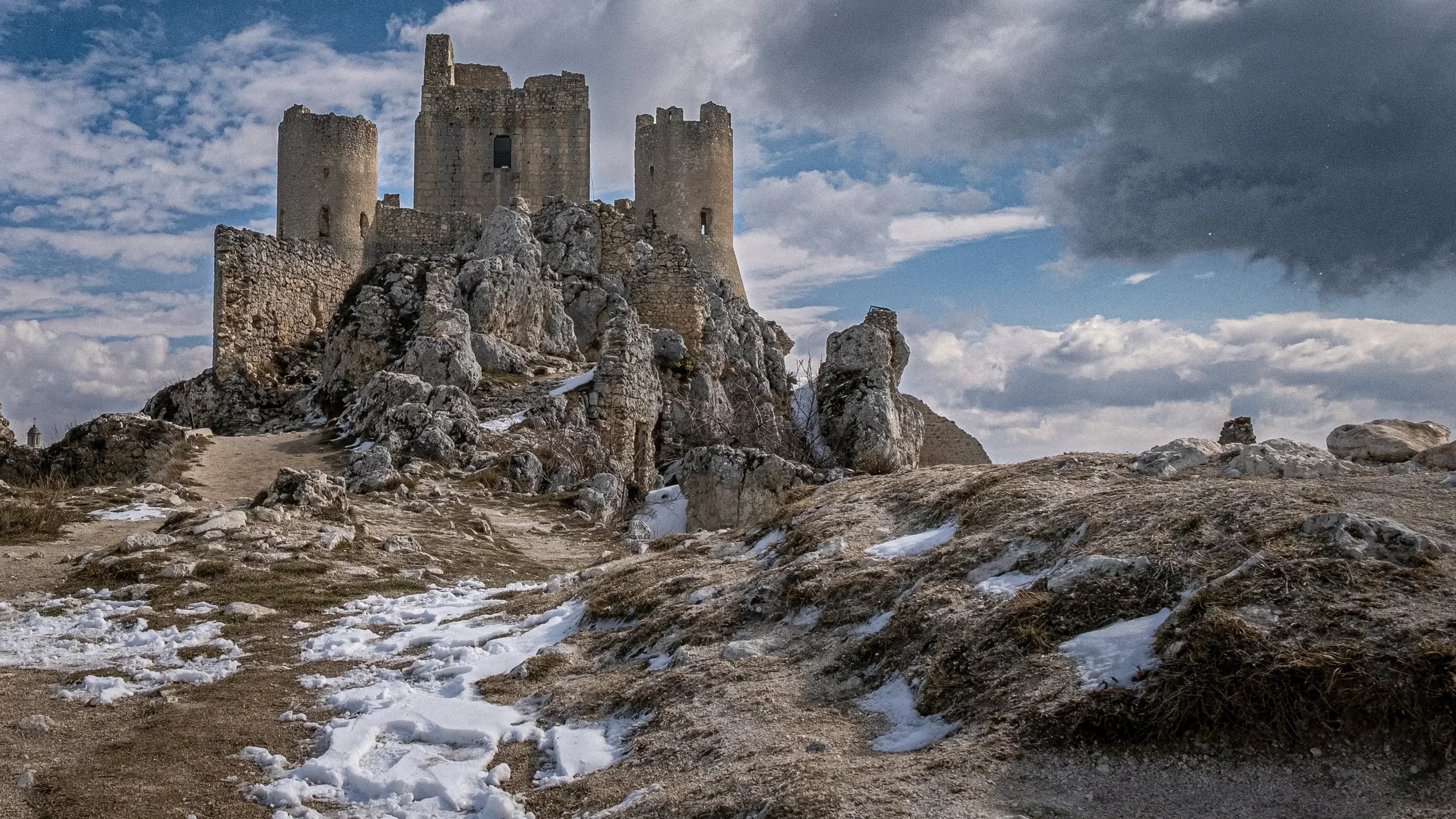
Abruzzo: The Last Wilderness
Fiercely guarded and often described as the last great European wilderness, Abruzzo is a rugged, exhilarating expanse of high plateaus, ancient shepherds' trails (tratturi), and imposing mountain fortresses. It is a region of fierce geographic pride, dominated by the towering, rocky massif of the Gran Sasso and the deeply forested, wolf-inhabited realms of the Majella National Park.
Here, medieval stone castles like Rocca Calascio cling to impossible precipices, and the profoundly silent, heart-shaped Lake Scanno nestles tight within the mountains. To the east, the Adriatic coastline offers the mesmerizing, stilted wooden fishing platforms of the Trabocchi Coast. Abruzzo is the absolute antithesis of manicured tourism; it is the breathtaking luxury of the wild.
Venturing into this primal landscape requires specialized, deeply localized logistics to ensure absolute comfort amidst the extremes.
We utilize the region’s sparse but elite, highly secluded boutique properties as secure bases for expert-led expeditions. This includes tracking the rare Marsican brown bear with renowned naturalists in the absolute, gripping silence of the Apennine forests.
The transition from mountain ruggedness to coastal serenity is flawless, culminating in exclusive, private dining arranged upon the historic trabocchi, suspended entirely over the darkened Adriatic at twilight.
It is a raw, powerful immersion executed with unparalleled grace.
Abruzzo: The Last Wilderness
Abruzzo is one of Italy’s most powerful regions for travelers who want mountains, villages, wildlife, food and coastline without the polish of mass tourism. It feels rugged, honest and geographically dramatic, shaped by the Gran Sasso, the Majella, high plateaus, shepherd routes and medieval stone settlements.
Rocca Calascio, Santo Stefano di Sessanio, Scanno, Sulmona and L’Aquila reveal a mountain identity that is very different from the Alps. National parks protect wolves, chamois and the rare Marsican brown bear, while the Trabocchi Coast adds a distinctive Adriatic ending with wooden fishing platforms built over the sea.
Abruzzo requires careful expectations. Accommodation is more limited than in famous luxury regions, and that is part of its character. The reward is space, authenticity and a sense of Italy that feels elemental.
Bellavita uses Abruzzo for private journeys built around wild landscapes, expert guiding, local food and controlled comfort. It pairs well with Rome, Le Marche or Molise for travelers who want Italy’s central mountains and Adriatic identity without softening the region into something it is not. Gran Sasso, Majella, Scanno, Santo Stefano di Sessanio and the Trabocchi Coast can then feel connected rather than remote. This is powerful, honest Italy with space around it.
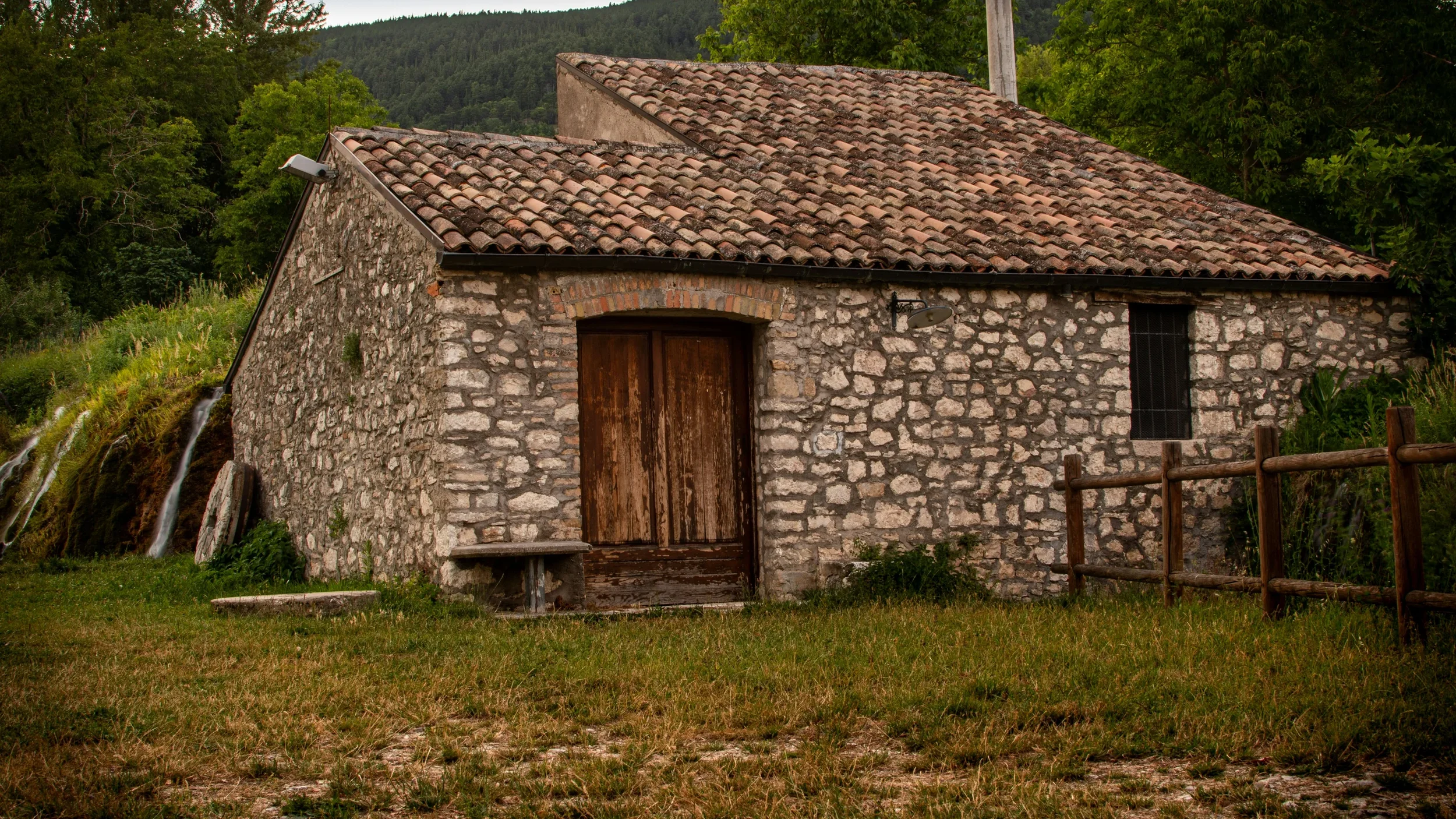
Molise: Agrarian Authenticity
The smallest, most elusive, and least populated of the southern Italian regions, Molise is an exquisite pastoral dream entirely untouched by the sprawling 21st century.
It is a landscape of pure, unadulterated agrarian authenticity, rolling emerald hills, and ancient Samnite history, offering a quiet, defiant resistance to the machinery of global tourism. From the ancient, continuous ringing of the bell foundries in Agnone and the sweeping ruins of the ancient Roman town Sepino (Altilia), to the striking fortified coastal enclave of Termoli and the pristine, offshore Tremiti Islands, Molise represents the absolute distillation of slow, rural Italian life: a place where time itself is beautifully suspended.
Molise cannot be "toured"; it must be absorbed through a complete, off-grid immersion. The operational approach is one of supreme subtlety.
We secure the very finest slow-paced Albergo Diffuso properties: luxury sanctuaries seamlessly integrated into the original architecture of abandoned medieval villages. The focus here is hyper-local and deeply human: engaging in private, agrarian traditions, foraging with skilled locals, and sourcing ingredients directly alongside the artisans.
It is the ultimate antidote to modern acceleration, delivering a profound emotional and physical reset in Italy’s most silent corner.
Molise: Agrarian Authenticity
Molise is for travelers who already understand Italy and want something quieter, smaller and more human. It is one of the least visited Italian regions, with hills, villages, old pastoral routes, Adriatic coast and ancient Samnite history held together by a deeply rural rhythm.
Agnone is known for bell-making traditions. Sepino, also called Altilia, preserves Roman remains in a calm countryside setting. Termoli gives the region its fortified seaside identity, while inland towns and scattered landscapes show a version of southern Italy that has not been reshaped for international consumption.
This is not a destination for conventional luxury. The value is authentic rural Italy: simple beauty, local food, artisans, quiet roads, seasonal rituals and the feeling of entering a place that still belongs mainly to itself.
Bellavita would use Molise selectively, for travelers who want slowness, privacy and cultural honesty, not spectacle or constant service. It is best used as a precise, intentional chapter in a wider southern or central itinerary, not as filler, because its power is small-scale, local and deeply personal. It also gives a southern Italy route a rare, unmanufactured counterpoint to better-known coastal and archaeological destinations.
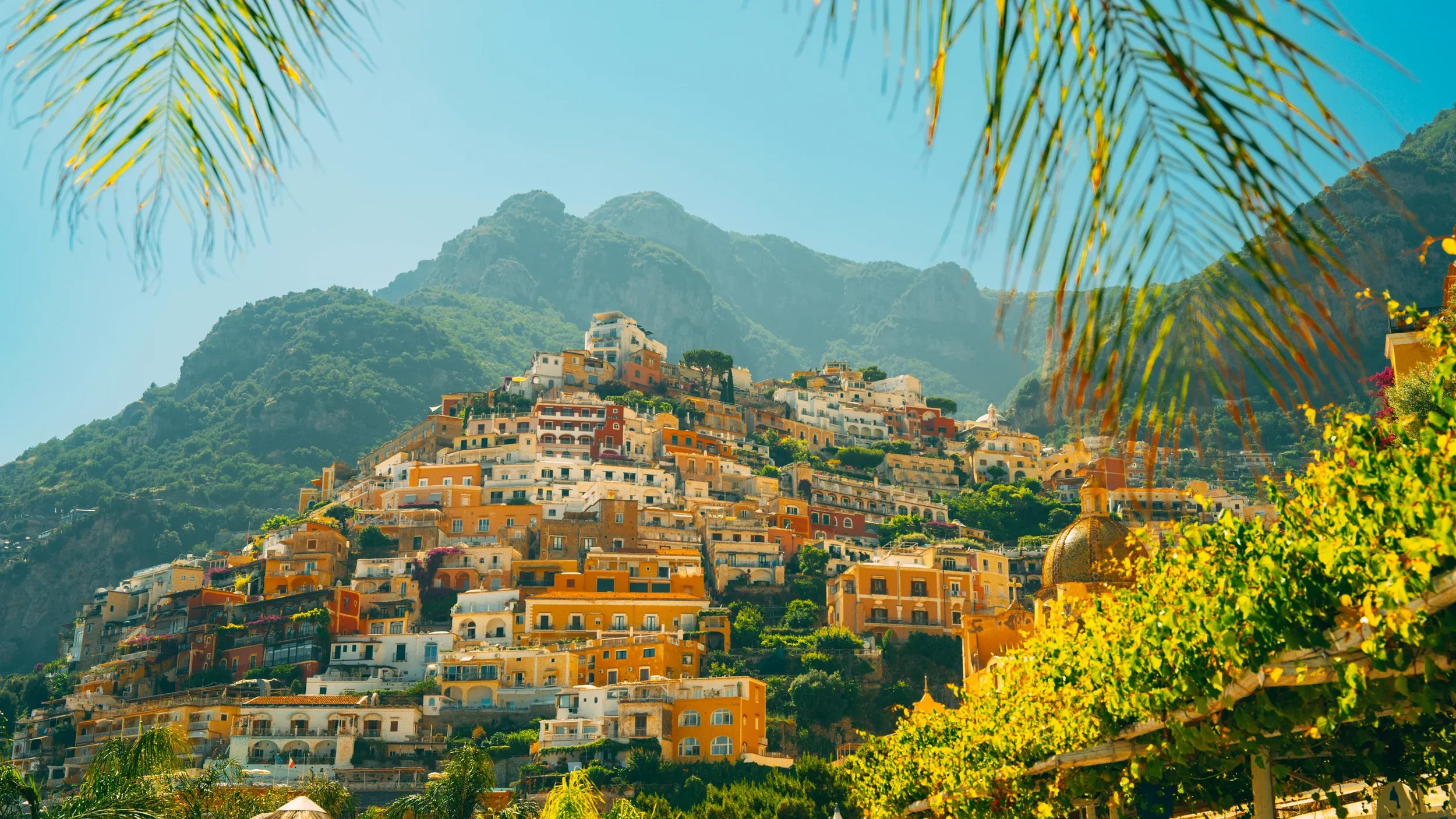
Campania: The Amalfi Coast & The Gulf
Campania’s coastline is a vertical masterwork of maritime legacy, where terraced lemon groves plunge violently into the cobalt blue of the Tyrrhenian Sea. Renowned globally for sun-drenched glamour, destinations like the pastel-hued Positano, the elevated, musical gardens of Ravello, and the mythic Isle of Capri are essential cornerstones of high-end travel.
Beyond the cliffs lies the staggering weight of history: the frozen-in-time streets of Pompeii and Herculaneum resting beneath the looming shadow of Mount Vesuvius, the colossal, perfectly preserved Greek temples of Paestum on the plains, and the thermal, volcanic healing waters of Ischia.
Reclaiming this fractured beauty requires an orchestration that takes place entirely along the sea, far from the chaotic mainland thoroughfares. Approaching by luxury tender from the Bay of Naples to an off-market shoreline sanctuary evaporates the terrestrial noise.
It is the restoration of space and time: securing exclusive access to the incandescent Blue Grotto before the boats arrive, hiking the breathless Path of the Gods with leading naturalists, and disappearing entirely into the untouched, rugged wilderness of the Cilento Coast. It is the profound, grounding assurance that the region's most magnificent corners are undeniably yours.
Campania: The Amalfi Coast & The Gulf
Campania is one of Italy’s most emotionally charged regions, combining coastline, islands, archaeology, food and volcanic landscape with real logistical complexity. The Amalfi Coast, Positano, Ravello and Capri are iconic for a reason, but they need careful timing to avoid turning beauty into pressure.
Beyond the cliffs, the region becomes even richer. Pompeii, Herculaneum and Vesuvius give Campania extraordinary historical depth. Naples adds art, churches, music, street life and one of Italy’s most distinctive food cultures. Ischia offers thermal water and a softer island rhythm, while Paestum and Cilento bring Greek temples, beaches and a quieter southern coast.
The strongest Campania itineraries use boats, drivers, realistic pacing and well-chosen bases. Not every traveler should sleep directly on the Amalfi Coast, and not every day should involve a transfer.
Bellavita designs Campania around private coastal travel, archaeology, food and enough space to enjoy the sea. It can be glamorous, archaeological, culinary or restorative, but only when the route respects traffic, port timing, heat, luggage, boat conditions and the traveler’s tolerance for intensity. It also lets Naples, Capri, Pompeii, Ischia, Ravello and Cilento support one another instead of becoming separate, tiring obligations.
Puglia: Sun, Stone & Olive Wood
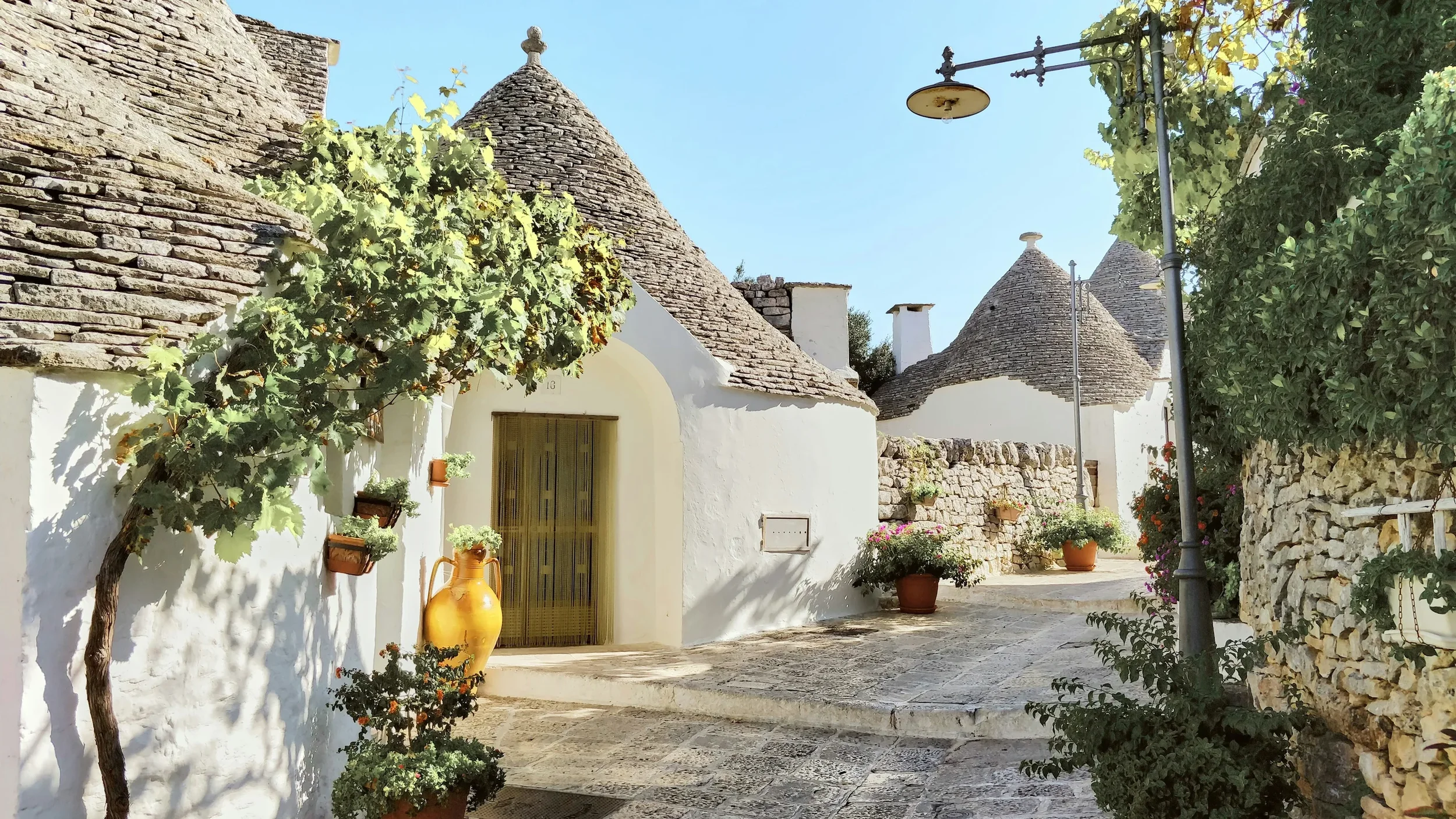
A sun-bleached, wind-swept peninsula stretching toward the Levant, Puglia is defined by its crystalline seas, ancient red earth, and a staggering canopy of ten million olive trees. It represents the alluring, raw geometric architecture of the deep south: the iconic, conical limestone roofs of the Alberobello trulli, the blindingly white, labyrinthine alleys of Ostuni, the dramatic sea caves of Polignano a Mare, and the hyper-ornate, sun-golden Baroque stone of Lecce.
Flanked by the meeting of the Ionian and Adriatic seas along the rocky Salento Peninsula, and the wild, forested promontory of the Gargano National Park to the north, Puglia is a landscape of hypnotic, elemental beauty.
As international attention turns increasingly to the Salento, the true currency of modern luxury becomes the acquisition of silence.
We bypass the congested summer beach routes entirely, securing exclusive, fortified historic farmhouses: ”masserie”equipped with in-house culinary teams and set within vast, private olive groves.
The cultural exploration descends literally beneath the earth: engaging regional historians to navigate the ancient, subterranean olive oil mills (frantoi ipogei) in total seclusion. It is a sun-drenched, visually stunning reality experienced entirely on your own terms, completely insulated from the coastal throngs.
Puglia: Sun, Stone & Olive Wood
Puglia is one of southern Italy’s most compelling regions for travelers who want sea, stone, masserie, olive groves, white towns and a slower Mediterranean rhythm. It feels bright, architectural and grounded, with a landscape shaped by the Adriatic, the Ionian Sea and centuries of rural life.
The Valle d’Itria offers trulli, dry-stone walls and towns such as Alberobello, Locorotondo and Cisternino. Ostuni, Polignano a Mare and Monopoli bring coastal energy, while Lecce and the Salento add Baroque architecture, beaches, food traditions and long summer evenings. The Gargano gives a wilder northern counterpoint.
Puglia works best when the itinerary protects stillness. The right masseria, beach club, driver, boat day and town timing matter, especially in high season.
Bellavita uses Puglia for private Italy journeys built around masserie, coastline, food and relaxed southern elegance, not overdesigned movement. It suits families, couples and slower summer travelers, but also works in spring and autumn when the villages, farms and coastline feel more spacious and authentically lived in. The region is strongest when Salento, Valle d’Itria, Lecce, Ostuni and Polignano are paced around light, meals and heat. That pacing is what keeps Puglia elegant.
Basilicata: Prehistoric Gravitas
A landscape carved from elemental rock and punishing sun, Basilicata carries a prehistoric gravitas that humbles the soul. It is a stark, cinematic expanse where human history reaches back seamlessly to the dawn of civilization.
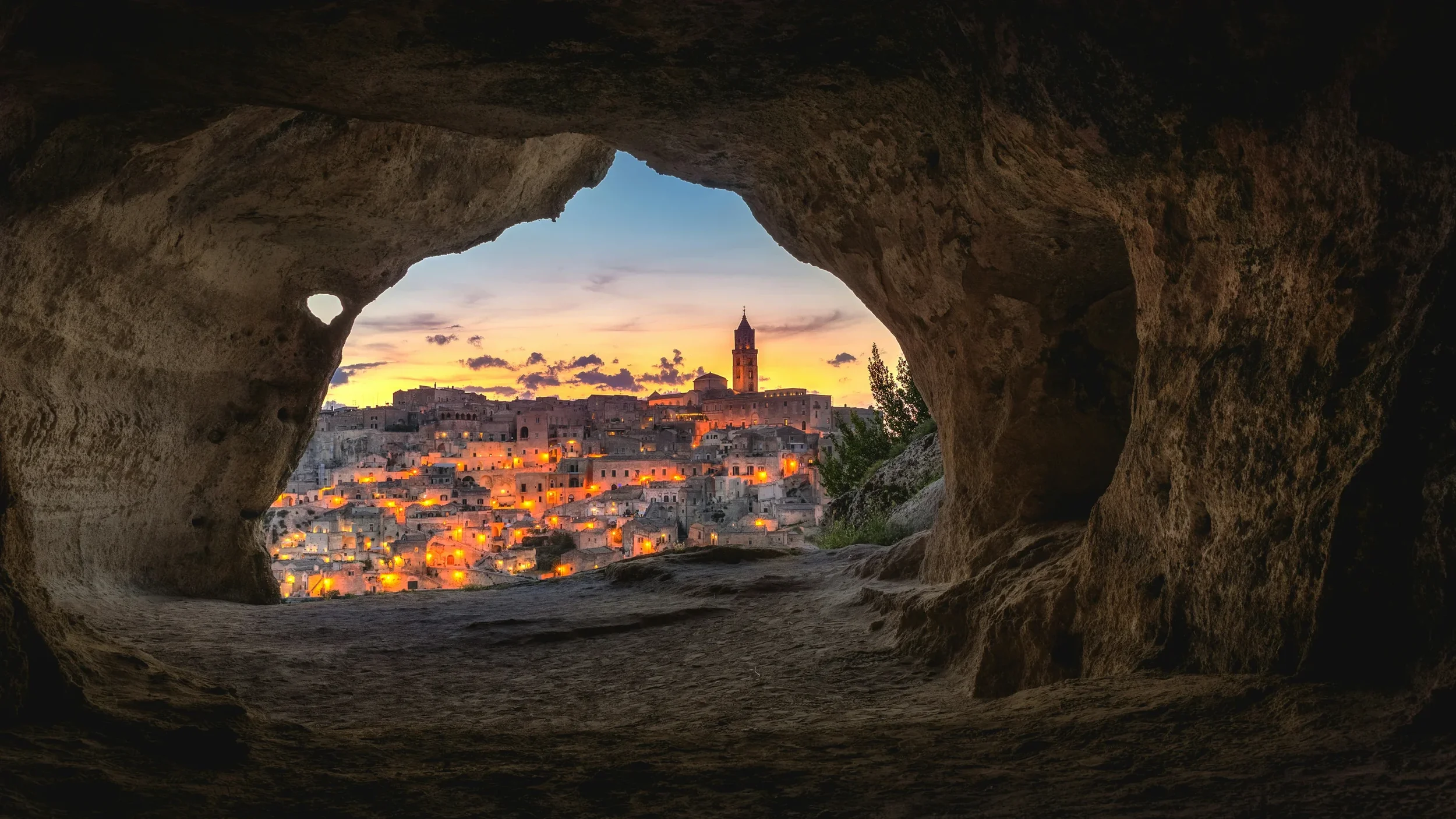
The undisputed epicenter is Matera, a mesmerizing UNESCO-listed city of pale stone where ancient Sassi (cave dwellings) house rupestrian churches adorned with fading frescoes. Bounded by the rugged, silent mountains of the Pollino National Park, the striking, abandoned ghost town of Craco perched precariously on an eroding ridge, and a tiny, immaculate sliver of the Tyrrhenian coast at Maratea, the region is a profound meditation on the resilience of the human spirit.
Engaging with the deep time of Basilicata requires an environment of total sanctuary and atmospheric respect. We arrange for luxury, atmospheric cave suites intricately carved directly into the mountain rock, offering an astonishing intersection of Paleolithic texture and state-of-the-art modern design.
The narrative of the city is unlocked through silent, private twilight walks through the Sassi river-caves, guided by anthropologists exploring the deep ravines in profound, haunting solitude. It is an intellectual and physical journey that strips away the clamor of the modern era, leaving only the immense weight of the earth.
Basilicata: Prehistoric Gravitas
Basilicata is one of Italy’s most atmospheric regions, defined by rock, silence, ravines, mountain interiors and an ancient sense of endurance. It is not polished in the conventional luxury sense, and that is precisely why it can feel so powerful in the right itinerary.
Matera is the clear anchor: a UNESCO-listed city of Sassi cave dwellings, rupestrian churches, stone stairways and views that feel almost biblical. Beyond Matera, the region opens into the Pollino National Park, the ghost town of Craco, quiet villages, rugged roads and the small Tyrrhenian coastline around Maratea.
The experience requires sensitivity. Basilicata should not be rushed or treated as a quick photo stop between Puglia and Campania. It needs careful guiding, the right hotel, realistic transfers and time to absorb its atmosphere.
Bellavita uses Basilicata for private journeys focused on Matera, deep history, landscape and contemplative travel. It pairs especially well with Puglia or Campania, but should keep its own identity: raw, serious, quiet and emotionally resonant rather than decorative or rushed. Matera, Craco, Pollino and Maratea then feel like part of a serious southern journey, not a detour added for novelty. The reward is atmosphere with real weight.
Calabria: The Untamed Coast
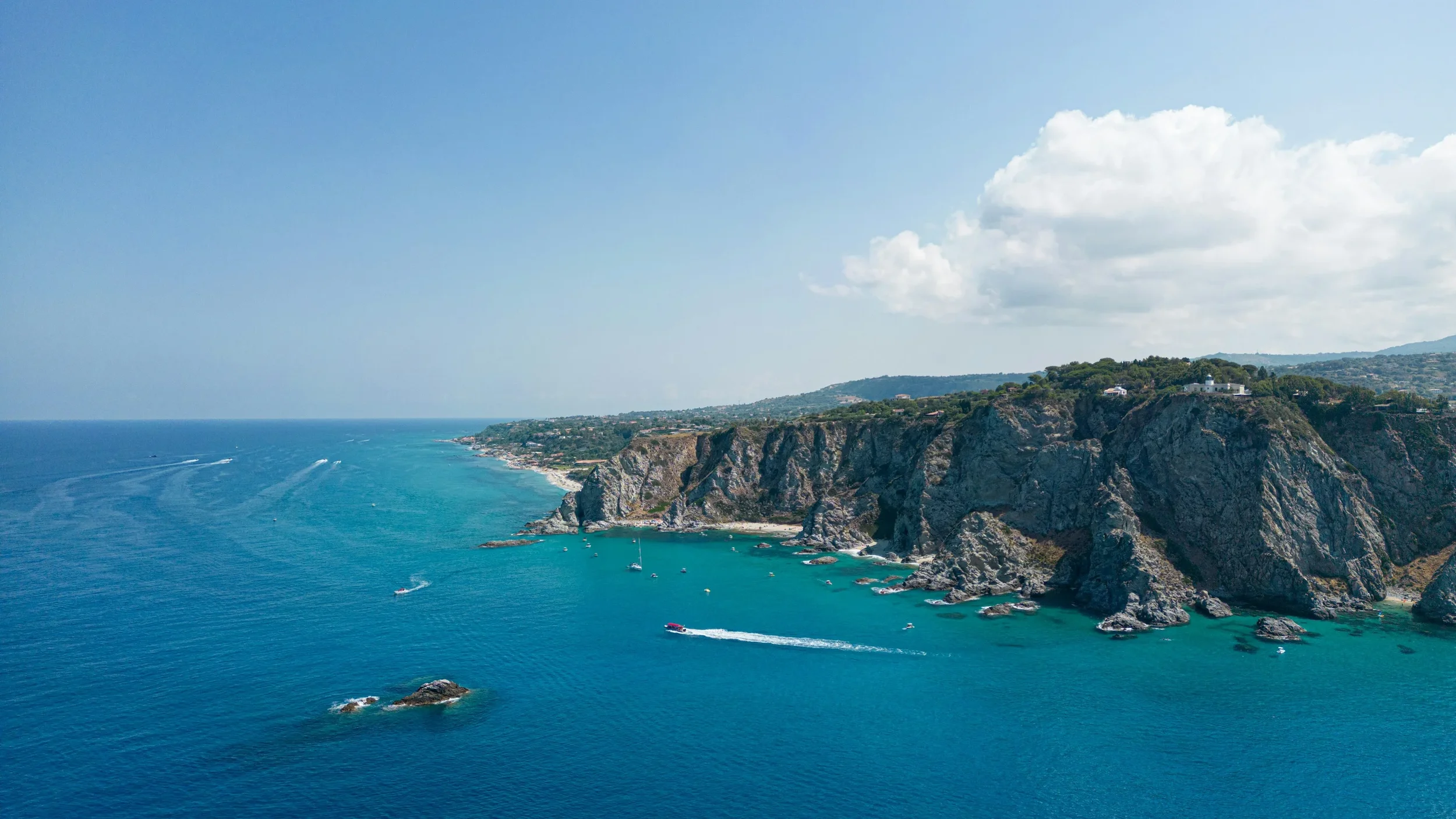
The dramatic, sun-scorched toe of the Italian peninsula, Calabria is a fiercely wild frontier of mythological coastlines and impenetrable, mountainous interiors. Bound aggressively by two seas, it is a landscape of intense coastal drama, most staggeringly present along the sheer, sun-baked cliffs and crystalline aquamarine coves of Tropea, the mythic rocky promontory of Scilla, and the breathtaking vistas of Capo Vaticano along the Coast of the Gods (Costa degli Dei).
Beyond the magnetic pull of the shoreline lies an interior of dense, primeval pine forests in the Aspromonte National Park, and the profound historical echoes of Magna Graecia, guarded eternally by the bronze, underwater gods: ”the Riace Bronzes” in Reggio Calabria.
The Calabrian coast, while violently beautiful, firmly demands expert maritime navigation to unlock its true exclusivity. The operational approach is executed entirely from the water, cruising the dramatic Coast of the Gods to drop anchor in pristine, hidden coves completely inaccessible by terrestrial transport.
We secure exclusive, private shore-access to ancient Byzantine cliff sanctuaries and Greek archaeological sites, ensuring the narrative remains historically pure and entirely uncrowded. It is the reclamation of absolute freedom, exploring one of the Mediterranean's most rugged and vital, yet deeply authentic, shorelines.
Calabria: The Untamed Coast
Calabria is one of Italy’s most dramatic southern frontiers, shaped by two seas, mountain interiors, Greek history and a coastline that can feel startlingly wild. It is not a polished resort region in the usual sense; its value lies in intensity, beauty and authenticity.
The Tyrrhenian side brings Tropea, Capo Vaticano, Scilla and the Costa degli Dei, with cliffs, clear water and views toward the Aeolian Islands. Inland, Aspromonte and Sila reveal forests, villages and a more remote mountain culture. Reggio Calabria adds the Riace Bronzes and the deep memory of Magna Graecia.
A private Calabria itinerary needs honest planning. Distances, road quality, service levels and seasonality matter. With the right expectations, the reward is a coastline and interior that feel less formatted than better-known Italian destinations.
Bellavita uses Calabria selectively for travelers seeking untamed coast, heritage, sea access and southern Italy without heavy crowds. It pairs well with Sicily, Basilicata or a focused southern coastal route, especially for clients who value landscape, food and real places over international polish. Tropea, Scilla, Capo Vaticano, Aspromonte and Reggio Calabria then become usable travel ideas, not just evocative names. This is where expert restraint becomes essential.
Sicily & The Aeolian Archipelago
Sicily is a crucible of empires, an untamed island continent where layered Mediterranean history meets the explosive, dark soil of volcanic earth. Its cultural and absolute geographical sovereignty is unmatched.
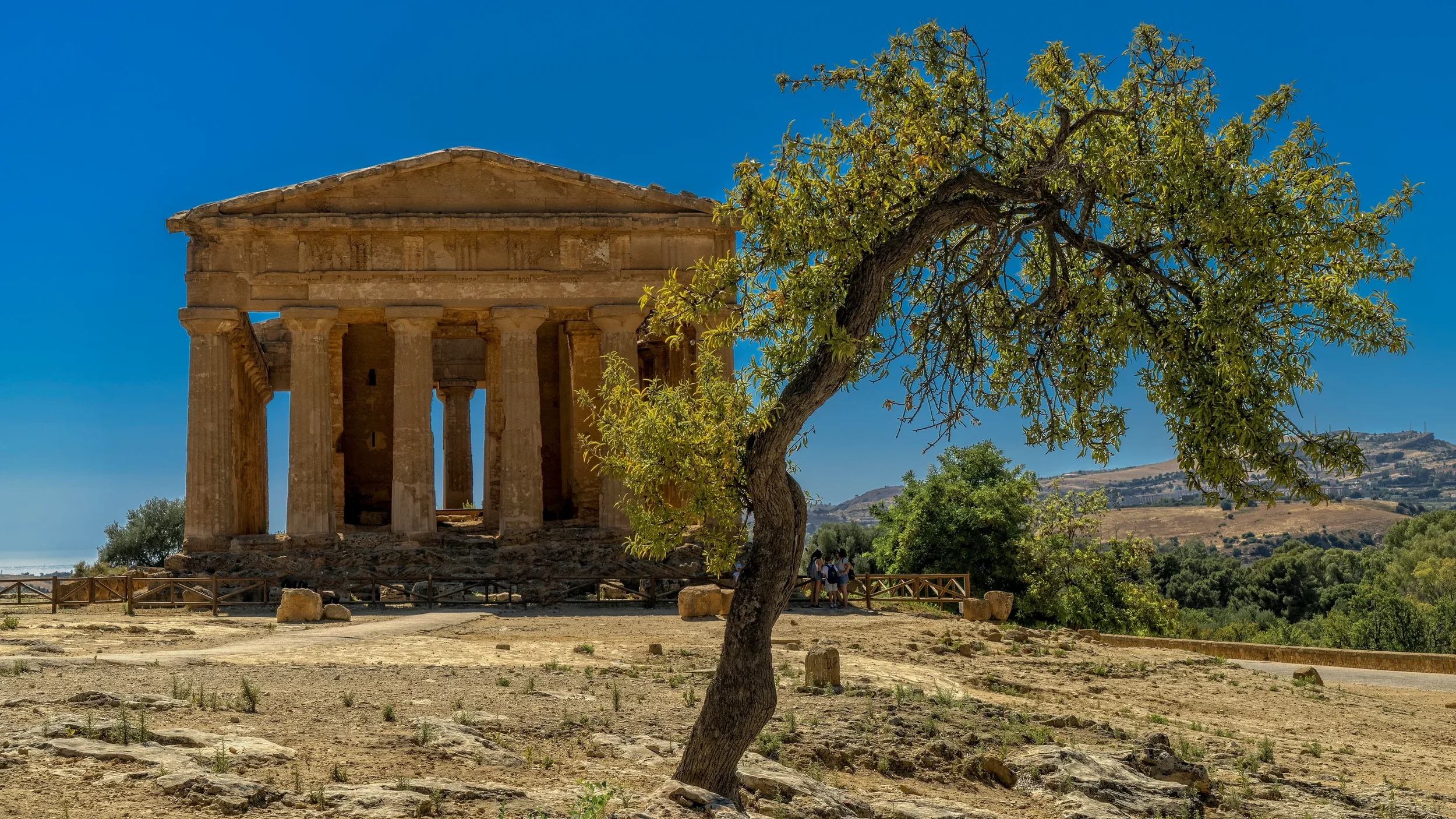
From the ancient, honey-colored Greek columns of the Valley of the Temples in Agrigento to the staggering Greco-Roman theater clinging to the cliffs of Taormina, the island demands awe. It is the architectural mosaic of Palermo, the Baroque mastery of Syracuse and Noto, the medieval, hilltop isolation of Erice, and the hyper-exclusive, jet-black volcanic shores of the Aeolian Islands, particularly the chic Panarea and the continuously erupting Stromboli.
To navigate Sicily is to cross centuries, an endeavor necessitating unyielding operational grace. It means avoiding the crowded summer ports entirely to experience the Aeolian archipelago from the teak deck of a private schooner, dropping anchor in hidden volcanic calderas.
It is stepping into the absolute silence of the Norman Palace archives alongside a master conservationist, and securing rapid, awe-inspiring helicopter transit to a private, high-altitude vineyard on the smoldering slopes of Mount Etna for a sensory masterclass in ancient Nerello Mascalese viticulture. Sicily is never a passive holiday; it is an epic, breathtaking conquest.
Sicily & The Aeolian Archipelago
Sicily is not just an island add-on; it is a complete private Italy journey in itself. Its scale, history, food, cities, coast and volcanic landscapes require time and careful routing. Treated properly, it becomes one of the richest destinations in the Mediterranean.
Palermo brings Arab-Norman architecture, markets, palaces and a powerful urban identity. Agrigento, Segesta and Selinunte reveal Greek Sicily, while Taormina, Syracuse, Ortigia, Noto, Ragusa and Modica add theater, Baroque architecture and coastal rhythm. Mount Etna gives the island its volcanic force, with vineyards and landscapes unlike anywhere else in Italy.
The Aeolian Islands add another dimension: sailing, black beaches, Stromboli, Panarea, Salina and a slower sea-based pace.
Bellavita designs Sicily around realistic distances, strong guides, seasonal heat, boat logistics and the right balance of culture, coastline, food and rest. It works best when clients accept that Sicily deserves its own rhythm: fewer bases, better guides, private transfers, boat days and time to let the island breathe. Palermo, Etna, Taormina, Syracuse, Noto, Agrigento and the Aeolian Islands should be chosen with discipline, not compressed for appearance. That discipline is what makes Sicily feel magnificent rather than exhausting.
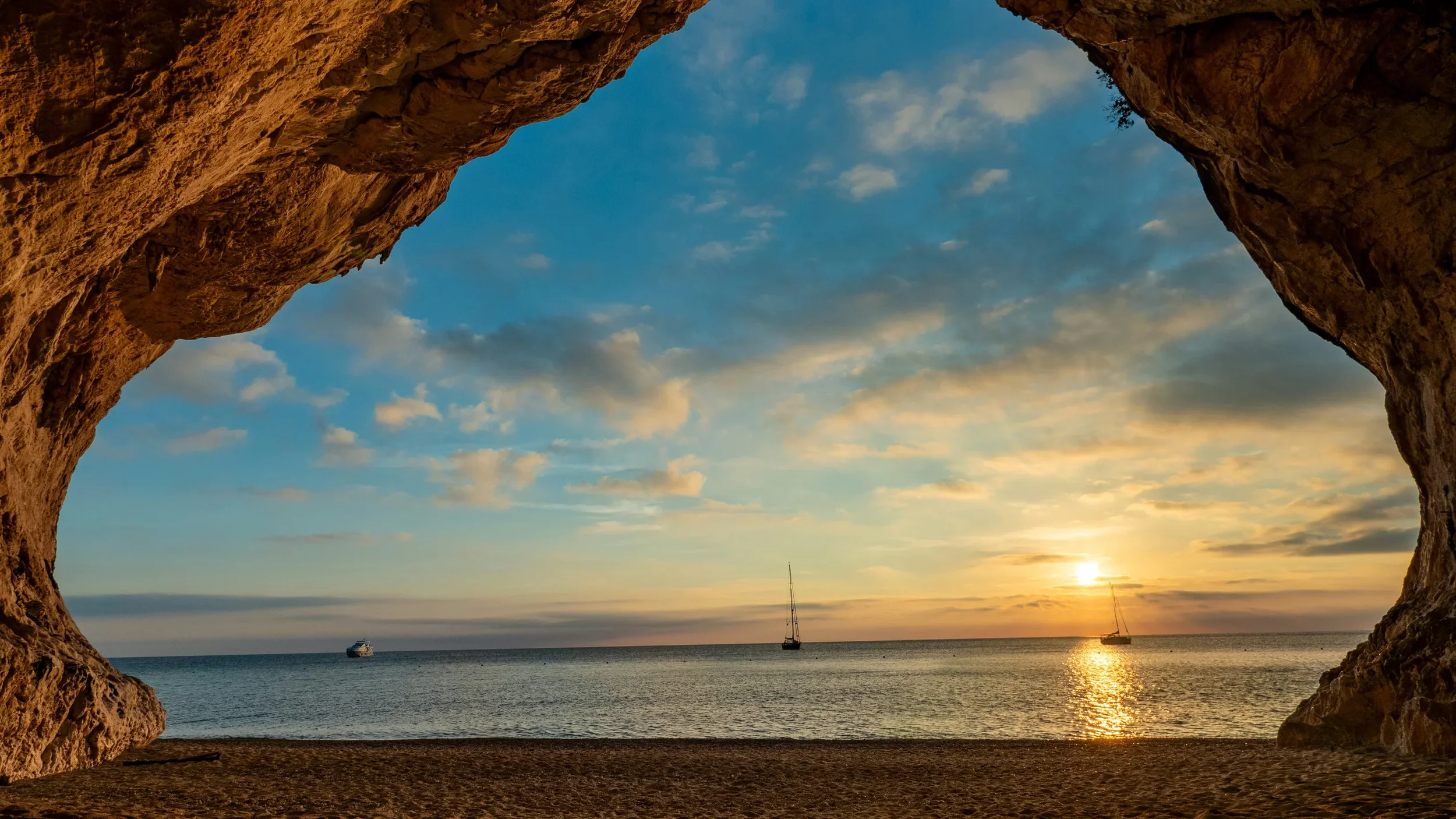
Sardinia: The Granite & The Blue
An island continent entirely unto itself, Sardinia is defined by an ancient, fiercely guarded interior and the hallucinatory, aquamarine brilliance of its jagged coastline. While the sculpted granite coves and sheltered mega-yacht marinas of the Costa Smeralda represent the apex of global jet-set glamour, the true soul of the island remains deeply ancient and untamed.
It is the enduring, prehistoric mystery of the Bronze Age Nuraghi (Su Nuraxi di Barumini), the incredibly wild, mountainous core of the Barbagia, the Catalan-infused seawalls of Alghero, the mesmerizing flamingo-dotted dunes of Chia, and the stunning, wind-sculpted granite archipelagos of La Maddalena.
To command the Sardinian reality is to seamlessly transition between the ultimate spheres of high society and the deep, silent earth. Moving resolutely beyond the conspicuous consumption of the coastal hubs, we orchestrate private, anthropological expeditions into the fierce Barbagia interior.
Here, guests experience ancient cantu a tenore polyphonic chanting and traditional pastoral isolation, before a swift aerial return to absolute coastal sanctuary.
Securing highly guarded, eco-friendly private enclaves nestled within the ancient rock, the Sardinian experience becomes the ultimate synthesis of unmatched maritime glamour and profound ancestral silence.
Sardinia: The Granite & The Blue
Sardinia is ideal for travelers who want sea, privacy, villas, boating and a wilder island identity than the mainland can offer. The Costa Smeralda gives the island its most famous luxury image, with granite coves, clear water, yachts and polished summer hospitality, but Sardinia becomes more interesting when the coast is balanced with the interior.
La Maddalena, the Gulf of Orosei, Chia, Alghero and the Costa Verde all offer different coastal moods. Inland, Barbagia, Nuoro and ancient Nuraghi reveal a more ancestral Sardinia, shaped by pastoral culture, stone, music and strong local traditions.
The island is large, so choosing the right base matters. A beautiful beach can still be wrong if transfers, wind, boat access or villa logistics do not fit the trip.
Bellavita Focuses Sardinia for private island journeys built around water, space, discretion and elemental beauty. It works best for summer, but can also be powerful outside peak season for clients who value landscapes, archaeology, walking, food and quiet island culture over glamour alone. Costa Smeralda, La Maddalena, Alghero, Barbagia and the Gulf of Orosei then become a coherent island map, not isolated highlights.
The Right Italy Itinerary Starts With the Right Geography
The most beautiful route is not always the most obvious one.
A strong Italy journey depends on choosing the right destinations for your dates, your pace, your travel style and the people traveling with you.
Tell us where you are drawn, what you want to avoid, how much support you need and what kind of journey would feel meaningful.
Bellavita will help shape the destination map around you.
Italy Destination Planning FAQ
Choosing where to go in Italy is often the most important decision in the journey. The right destination depends on season, pace, travel style, privacy needs, group composition and how each region connects to the next.
-
For a first private journey to Italy, the strongest routes usually combine a clear cultural anchor with one or two slower destinations. Venice, Florence, Tuscany, Rome, Lake Como, the Amalfi Coast and the Dolomites are often good starting points, but the best choice depends on the season, trip length and desired pace.
A first Italy itinerary should not feel like a checklist. It should give enough time to understand each place, recover between transfers and experience the country with rhythm rather than pressure.
-
Most private Italy journeys work best with two to four main destinations, depending on the number of nights available. More regions are not always better. Too many stops can create transfer fatigue and reduce the quality of the experience.
Bellavita usually recommends building the itinerary around a strong route logic: city and countryside, lake and mountains, coast and culture, or one region explored with greater depth.
-
Tuscany is usually best for classic countryside, wine, Renaissance towns, villas and a highly recognizable sense of place. Umbria is quieter, more contemplative and often better for travelers who want privacy, silence and depth. Puglia offers masserie, olive groves, white towns, coastal air and a slower southern rhythm.
The right choice depends less on which region is “best” and more on what kind of atmosphere you want around your days.
-
Not always. The Amalfi Coast is dramatic, iconic and beautiful, but it can also be crowded and logistically demanding in high season.
For some travelers, Capri, Ischia, Puglia, Sicily, Sardinia, Liguria, Cilento or the Aeolian Islands may offer a better fit. The decision depends on whether you want glamour, privacy, beach time, boating, food, family comfort, scenery or a quieter coastal rhythm.
-
Lake Como is often the stronger choice for classic villa atmosphere, old-world elegance, private boat days and a more cinematic northern Italian setting. Lake Garda is broader, more varied and can work well for travelers combining lake time with Verona, Venice, the Dolomites or family-friendly activities.
Both can be excellent. The better choice depends on the route, season, hotel or villa availability, and the kind of lake experience you want.
-
Yes. Venice and the Dolomites can work very well together because they offer a strong contrast: water and mountains, culture and nature, historic density and open space.
The combination is especially effective when the routing is kept simple and the transition is planned carefully. It can suit couples, families, summer travelers, winter ski trips and clients who want northern Italy to feel varied without becoming overcomplicated.
Because of its southern latitude, bespoke Sicilian itineraries offer a warm, flawless travel season that stretches effortlessly from April to November.
-
The Dolomites are a strong choice when you want clean air, mountain scenery, wellness, skiing, hiking, family activity or relief from summer heat. They can also offer a more restorative alternative to Italy’s busiest coastal destinations during peak season.
The coast is better when the priority is sea, islands, boating and Mediterranean atmosphere. The strongest itineraries often balance both, when timing and routing allow.
-
Summer in Italy works best when the itinerary respects heat, crowds and movement. The Dolomites, the northern lakes, Sardinia, Sicily, Puglia, coastal Campania and selected countryside stays can all work well, depending on the traveler.
Major art cities such as Rome, Florence and Venice can still be included, but they require careful pacing, good hotel selection and realistic expectations around temperature and visitor volume.
-
Repeat travelers often benefit from looking beyond the most famous circuit. Piedmont, Umbria, Le Marche, Friuli-Venezia Giulia, Abruzzo, Basilicata, Calabria, the Aeolian Islands and inland Sardinia can add depth, privacy and a stronger sense of discovery.
These regions are not necessarily “hidden,” but they usually reward travelers who want more context, slower days and a less predictable version of Italy.
-
Yes, and this is often the best way to design a private Italy journey. A route might combine Rome with Umbria, Venice with the Dolomites, Tuscany with Le Marche, Puglia with Basilicata, or Sicily with the Aeolian Islands.
The key is balance. Iconic places give the journey cultural weight; quieter regions give it space, privacy and a more personal rhythm.
-
Sicily is usually better for travelers who want history, food, architecture, volcanoes, ancient ruins, cities, islands and a layered cultural journey. Sardinia is usually stronger for beaches, water, villas, boating, wild landscapes and a more elemental island escape.
Both are large and deserve careful planning. They should not be treated as simple beach add-ons unless the itinerary has enough time to support them properly.
-
Start with the practical facts: travel dates, number of nights, who is traveling, previous Italy experience, preferred pace, must-see places and what you want to avoid.
From there, the destination map becomes clearer. Bellavita helps shape the route around season, geography, comfort, privacy, transfer logic and the kind of Italy you actually want to experience.